
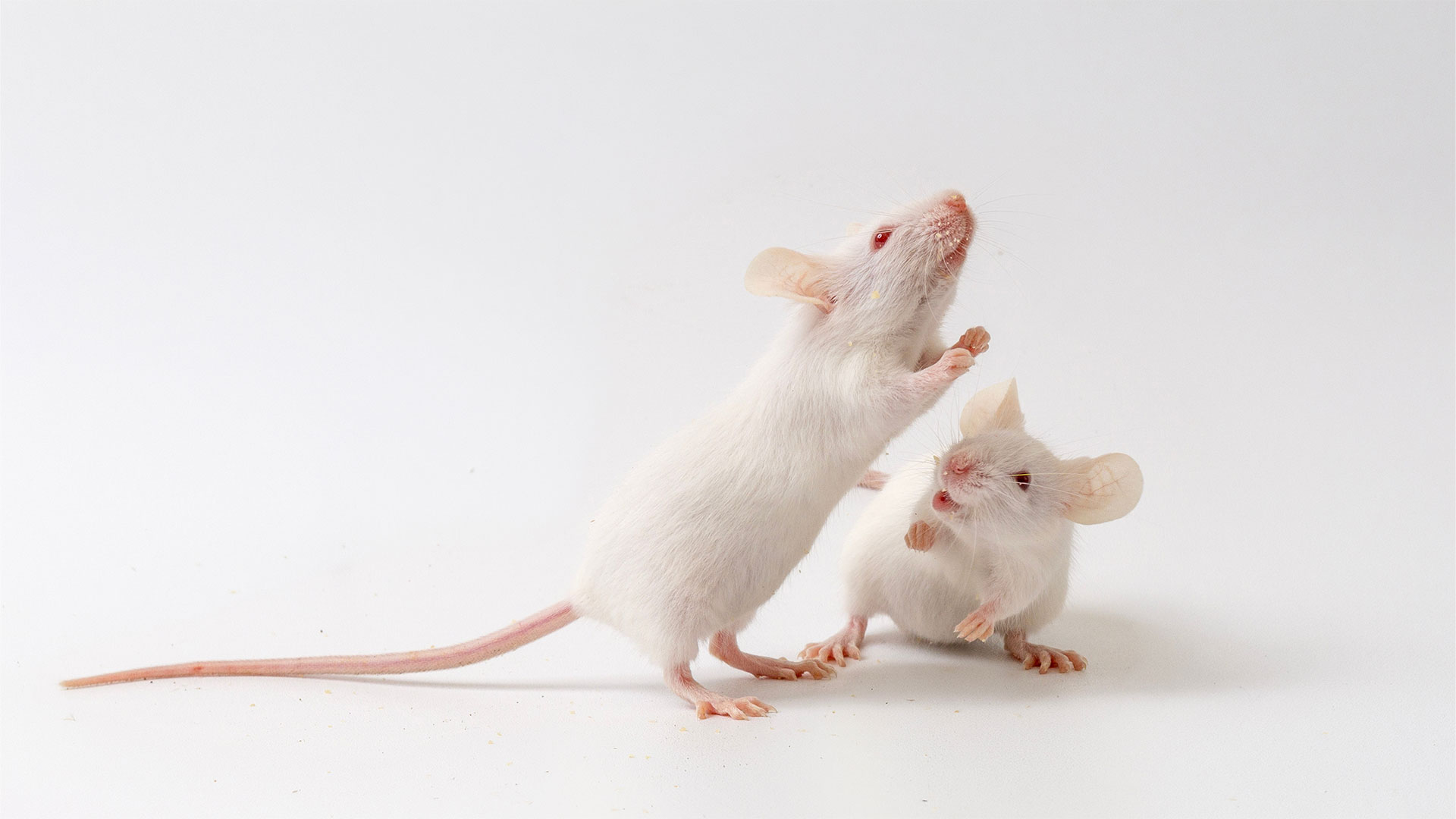
A Surprise of a Lifetime
A Nature study led by UT Health Sciences researcher Rob Williams shows that genes linked to mortality shift across the lifespan and differ dramatically between sexes.
Solving Problems for Tennessee
UT researchers use a diversified funding portfolio to advance quantum technology, agriculture and other discoveries, supporting solutions for Tennessee while limiting the effects of shifting federal support.
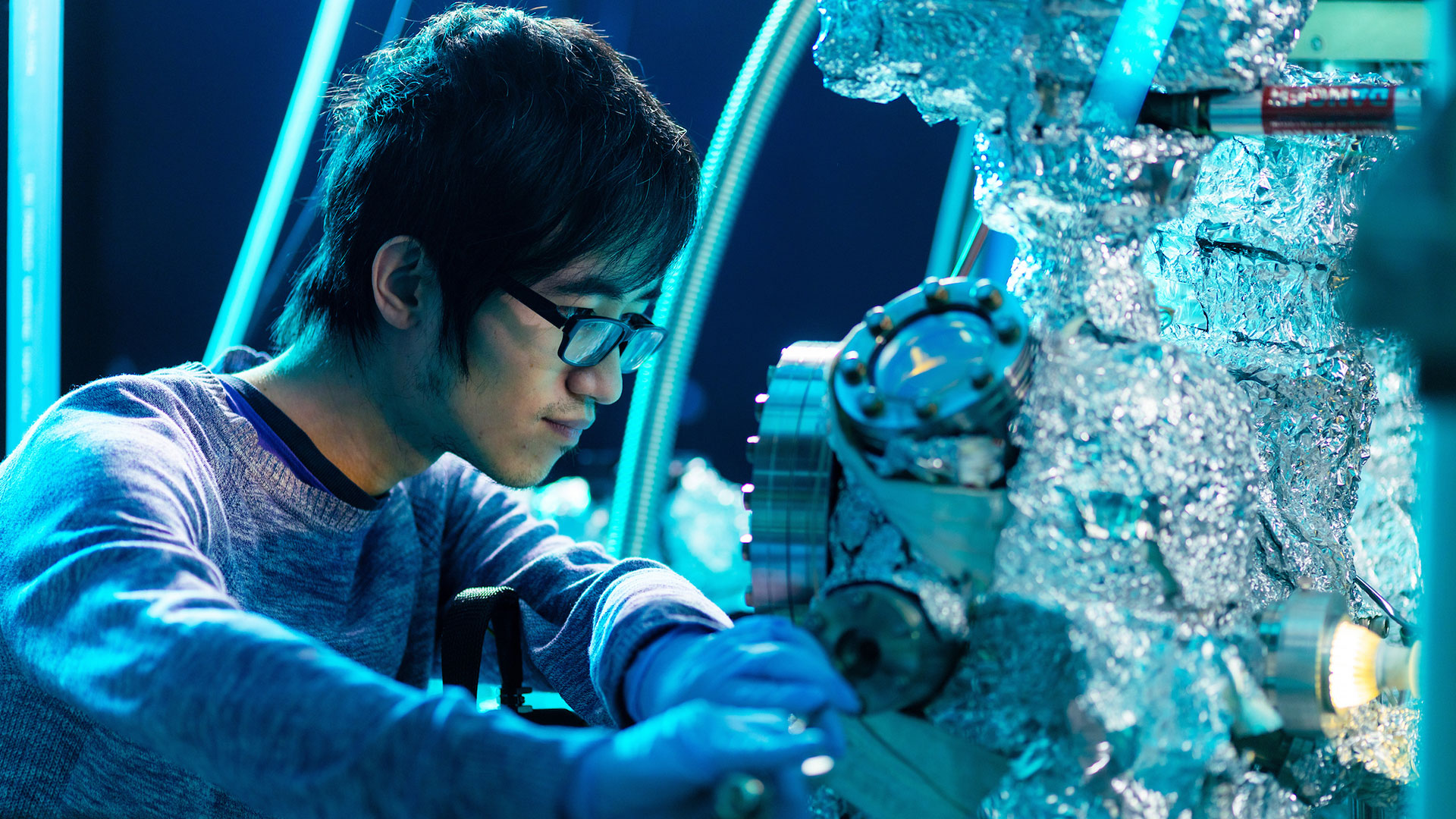
Enter the Quantum Realm
UT System researchers are translating quantum science into practical technologies that strengthen cybersecurity, accelerate discovery, improve sensing and prepare a workforce for the emerging quantum economy.
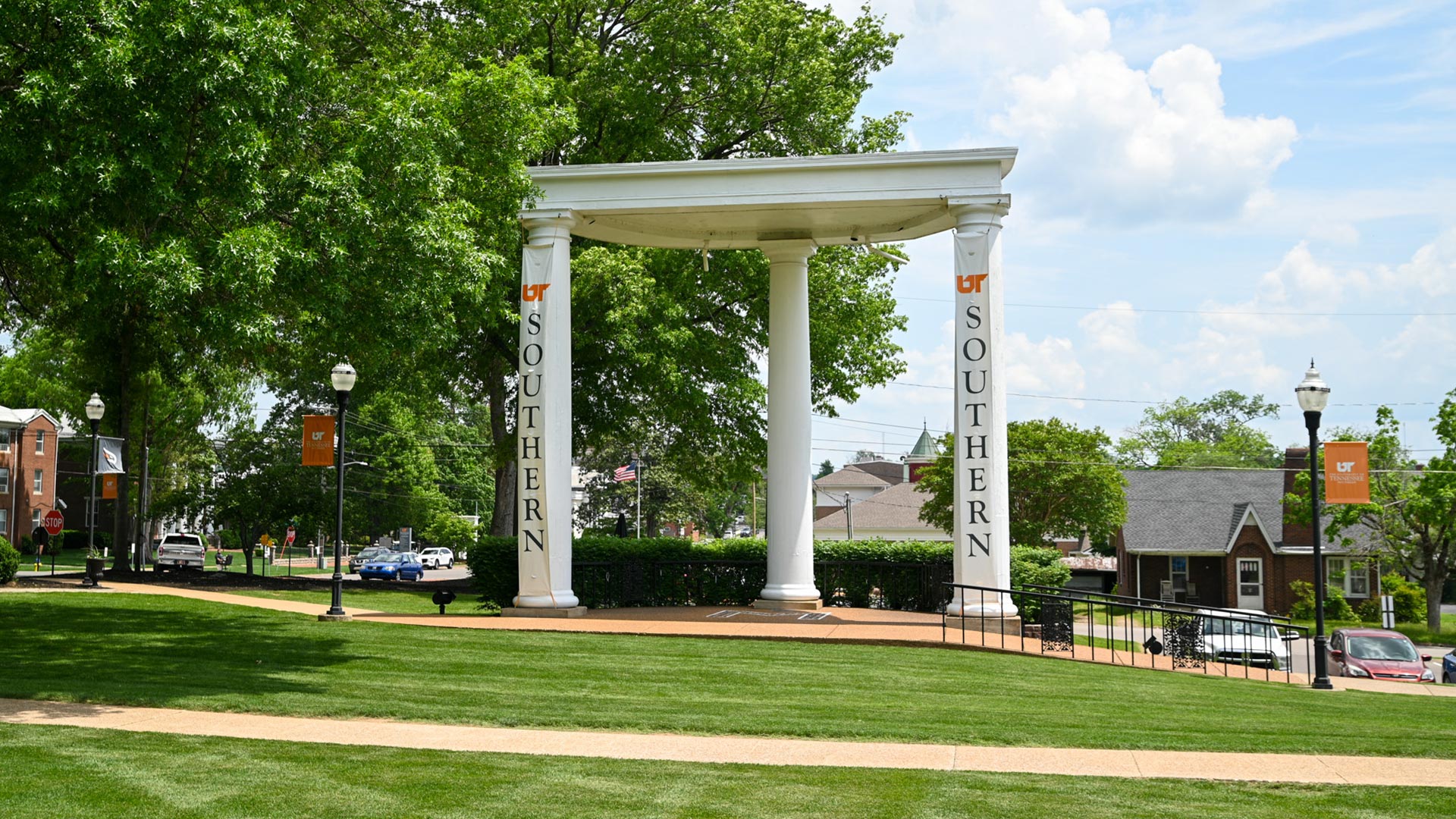
Learning in Their Shadow
UT Southern MBA students shadow regional executives through Southern Shadow, applying leadership theory to workplace experiences while building professional confidence, career direction and meaningful connections.
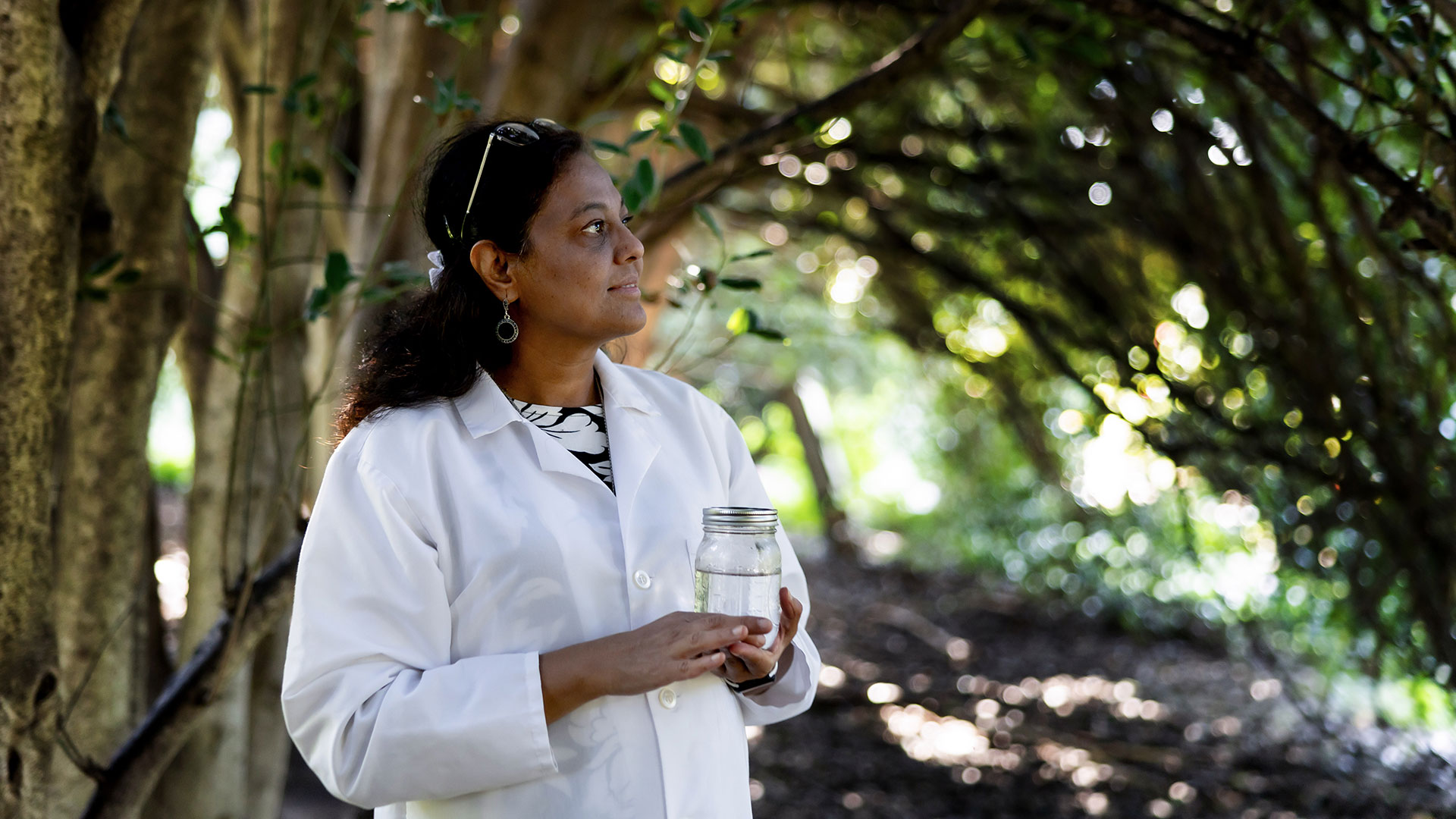
Fighting Tick and Mosquito Diseases
UT veterinary researcher Hameeda Sultana is uncovering how tick proteins help viruses evade host defenses, advancing potential vaccines that block disease transmission before pathogens reach people.
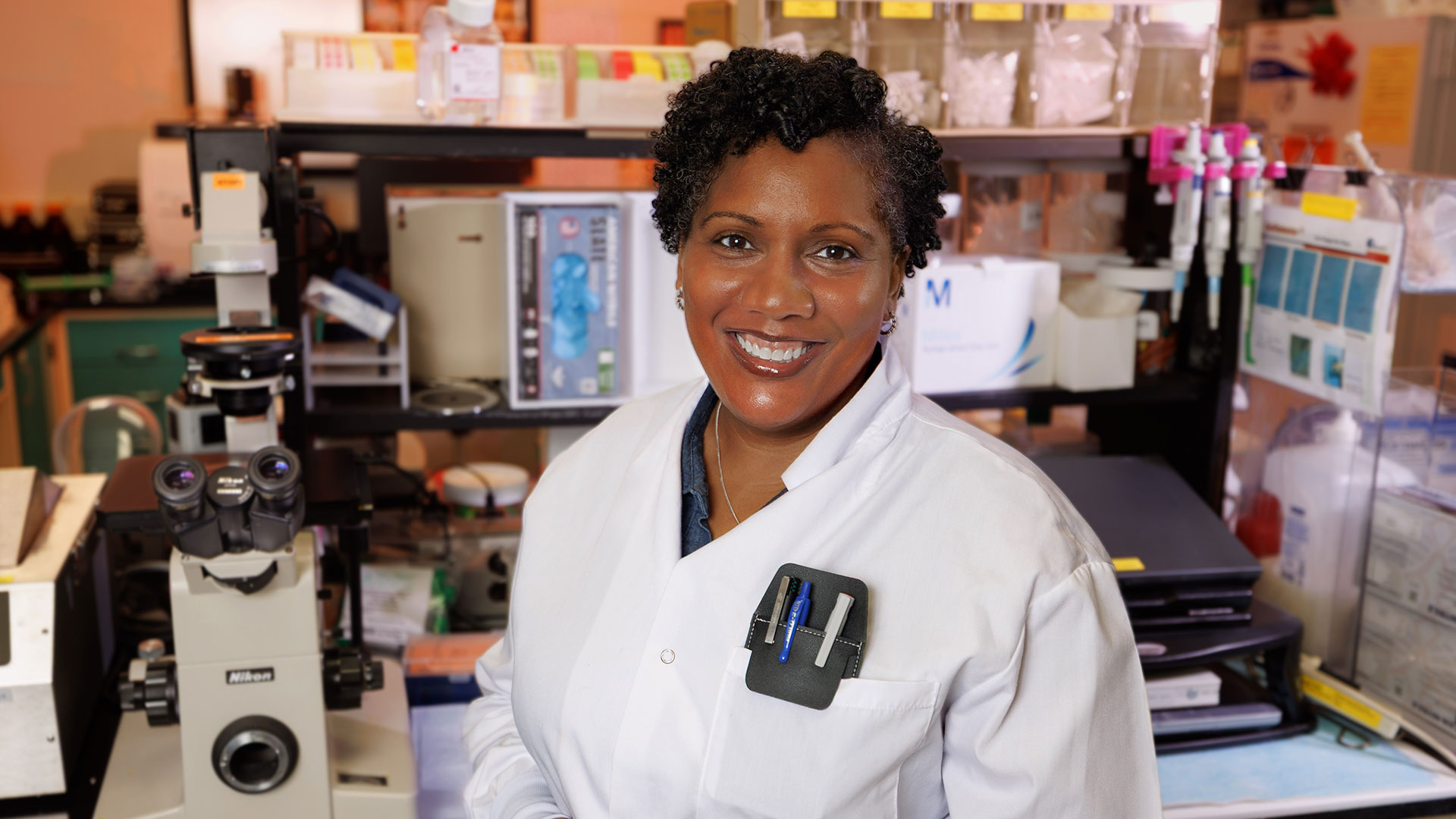
Trying to Change the Outcome
UT Martin alumna Kelly Harris researches new cancer treatment approaches at the FDA, including repurposing existing drugs to improve outcomes for patients with triple-negative breast cancer.

Invaluable
A CTAS study found Tennessee counties with trained finance officers and centralized accounting structures reduced audit findings, underscoring the value of investing in finance staff.

Ascending
UT Knoxville’s inaugural Ascent Program provides faculty awards of up to $50,000 to advance transformative scholarship and creative projects spanning music, architecture, art history, archaeology and film.
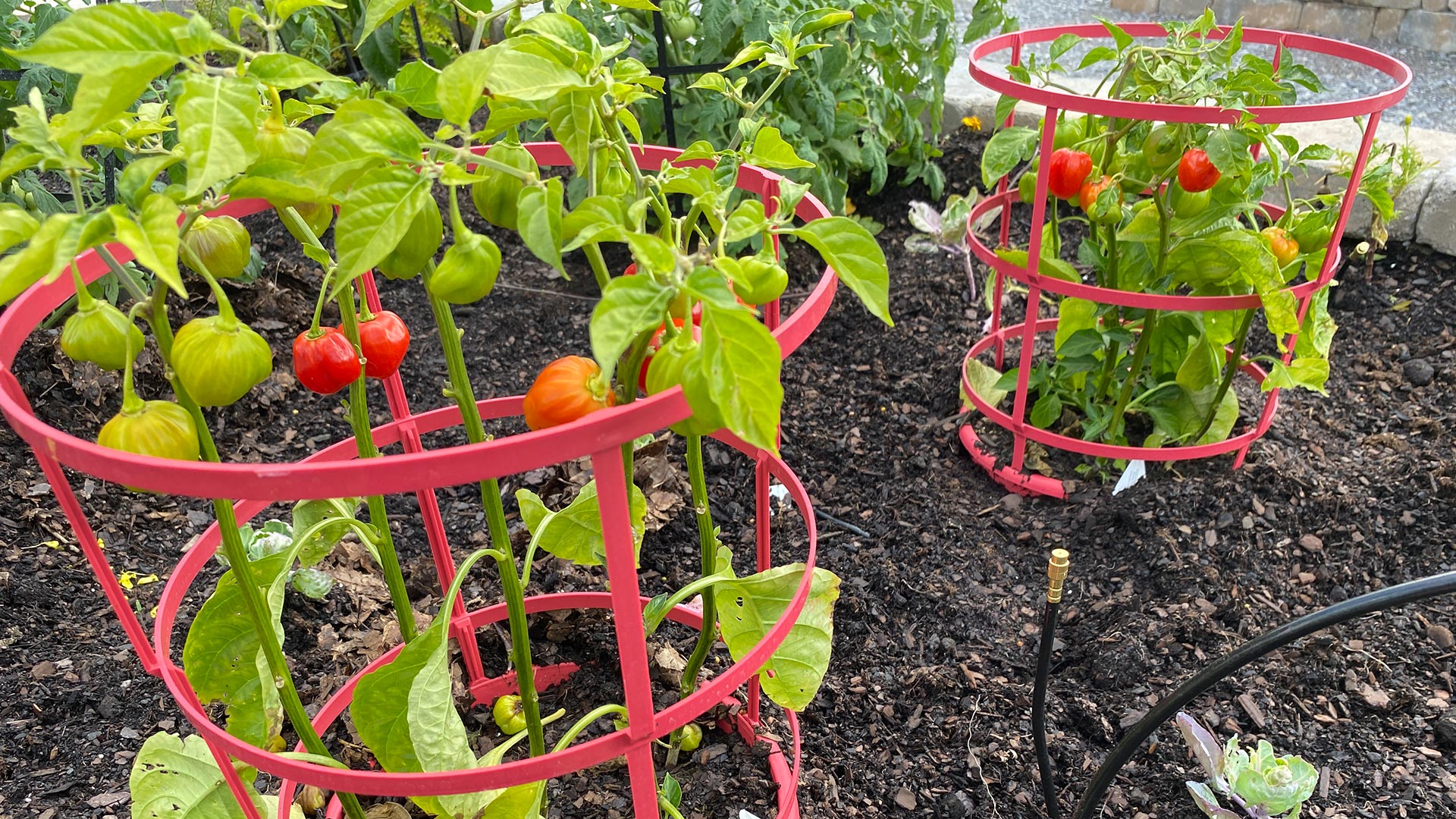
A Garden For Everyone
New accessible raised garden beds at the Clyde Austin 4-H Center give campers of all abilities hands-on STEM learning, job skills and opportunities to connect with nature.
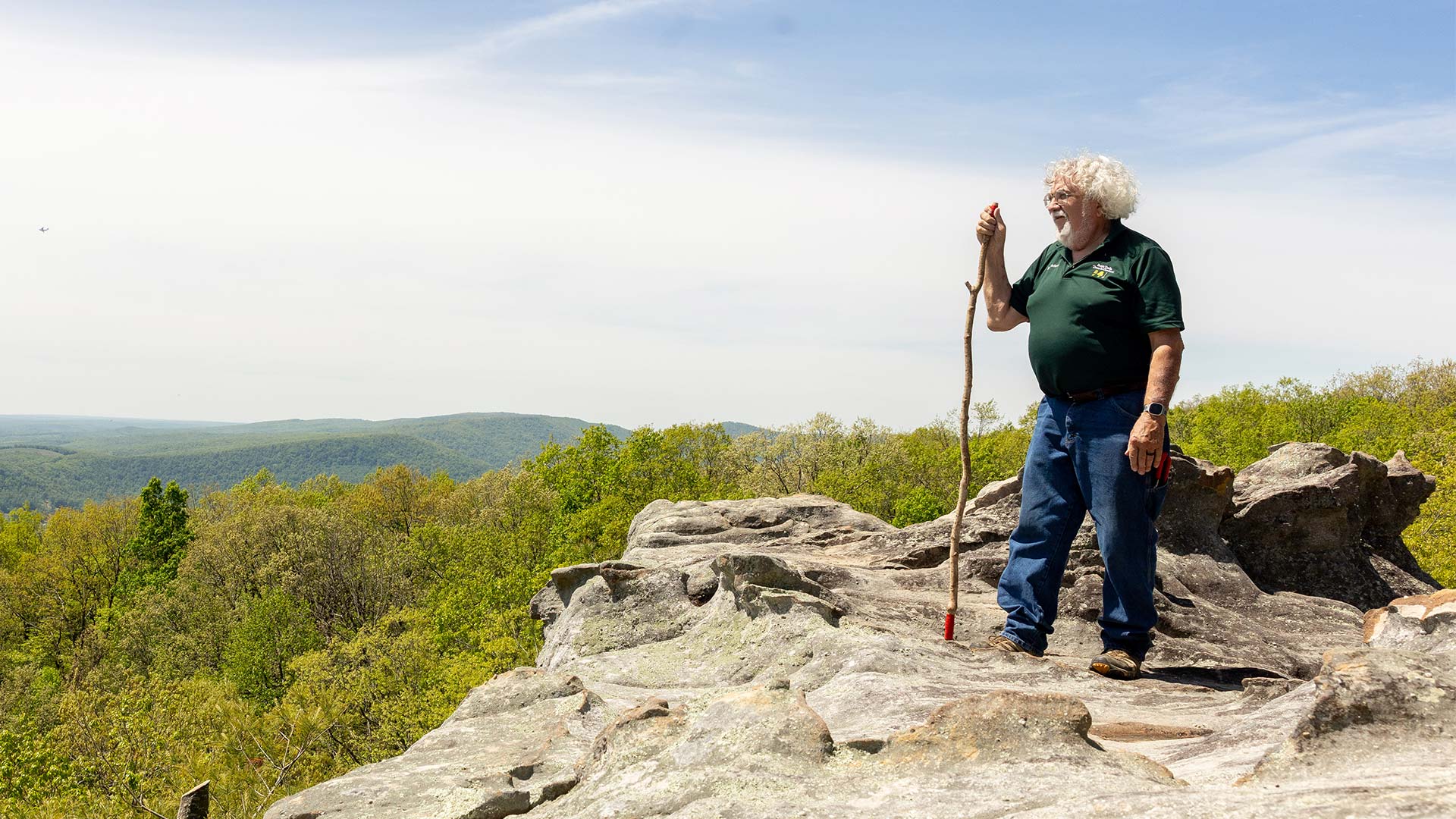
Follow the Trail
UT Knoxville alumnus Bob Richards helped build Tennessee’s trail legacy while a growing outdoor recreation economy creates new opportunities for future park professionals.

Ready…Set…Read
This summer reading list features books by UT alumni and former faculty, offering readers Tennessee history, scientific partnership and a charming Southern romance.

The Bacon Eaters
UTC historian Mark Johnson explores how a humble food became a window into U.S. culture, labor, health and identity.
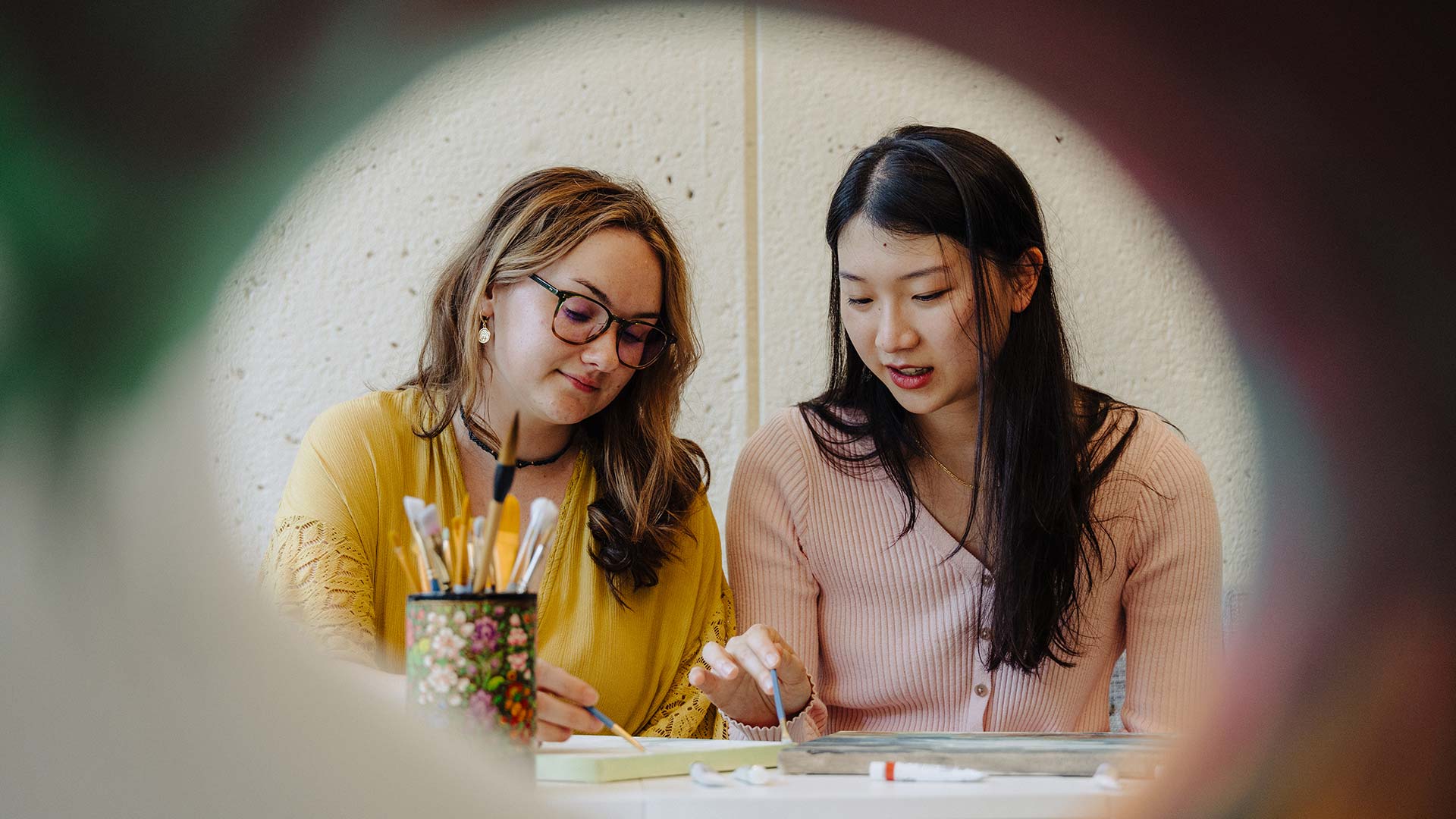
How Future Healers Stay Human
UT Health Science Center students are using art to relieve stress, build community and stay connected to their humanity during medical training.
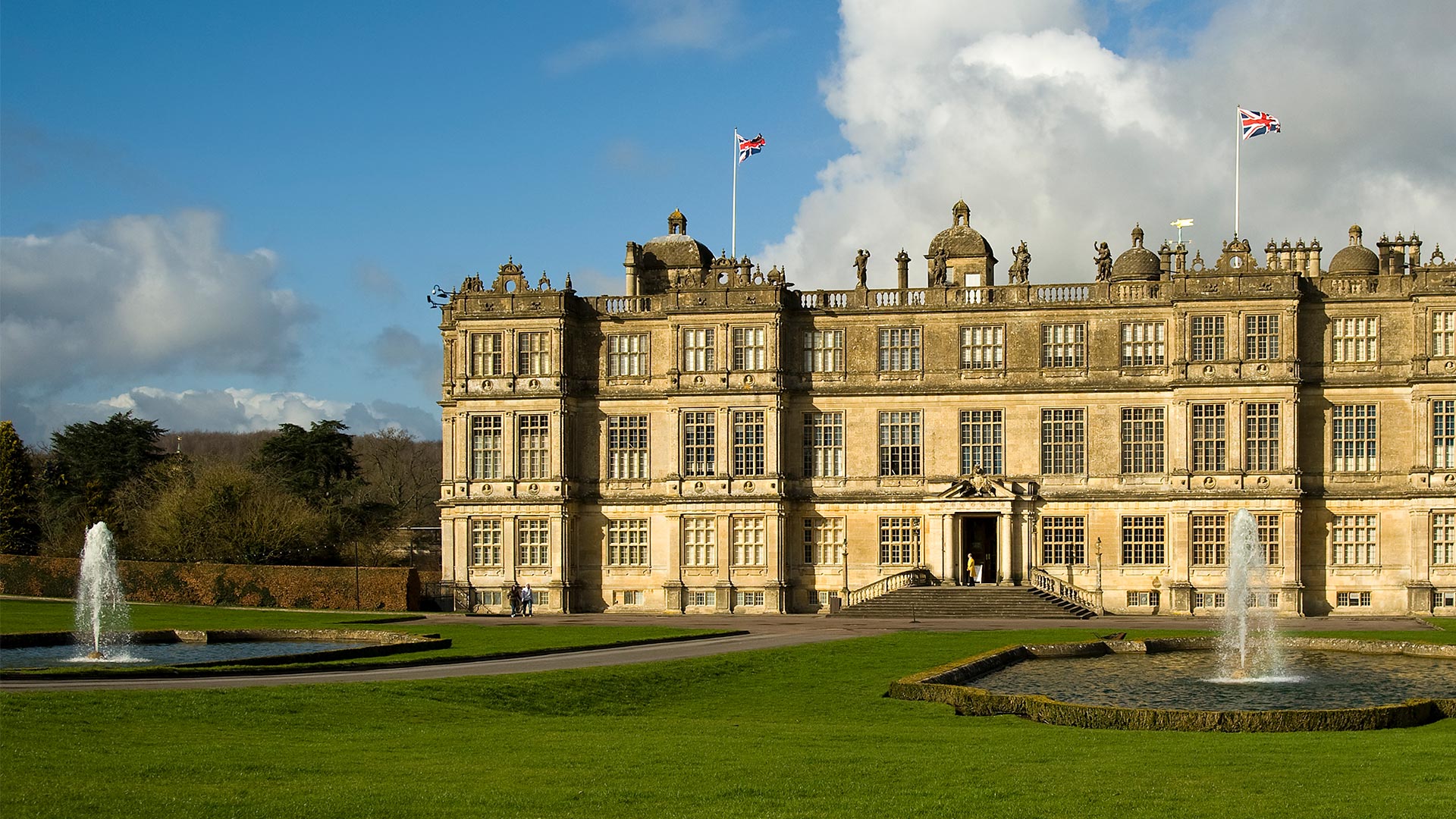
The Secret Manuscript
UT Knoxville professor Urmila Seshagiri discovered a lost early Virginia Woolf manuscript, bringing new insight into the famed author’s humor, imagination and literary development.

Keys to Success
UT Martin’s Chan Mi Jean brought her international musical journey to Carnegie Hall, achieving a milestone shaped by years of study and performance.
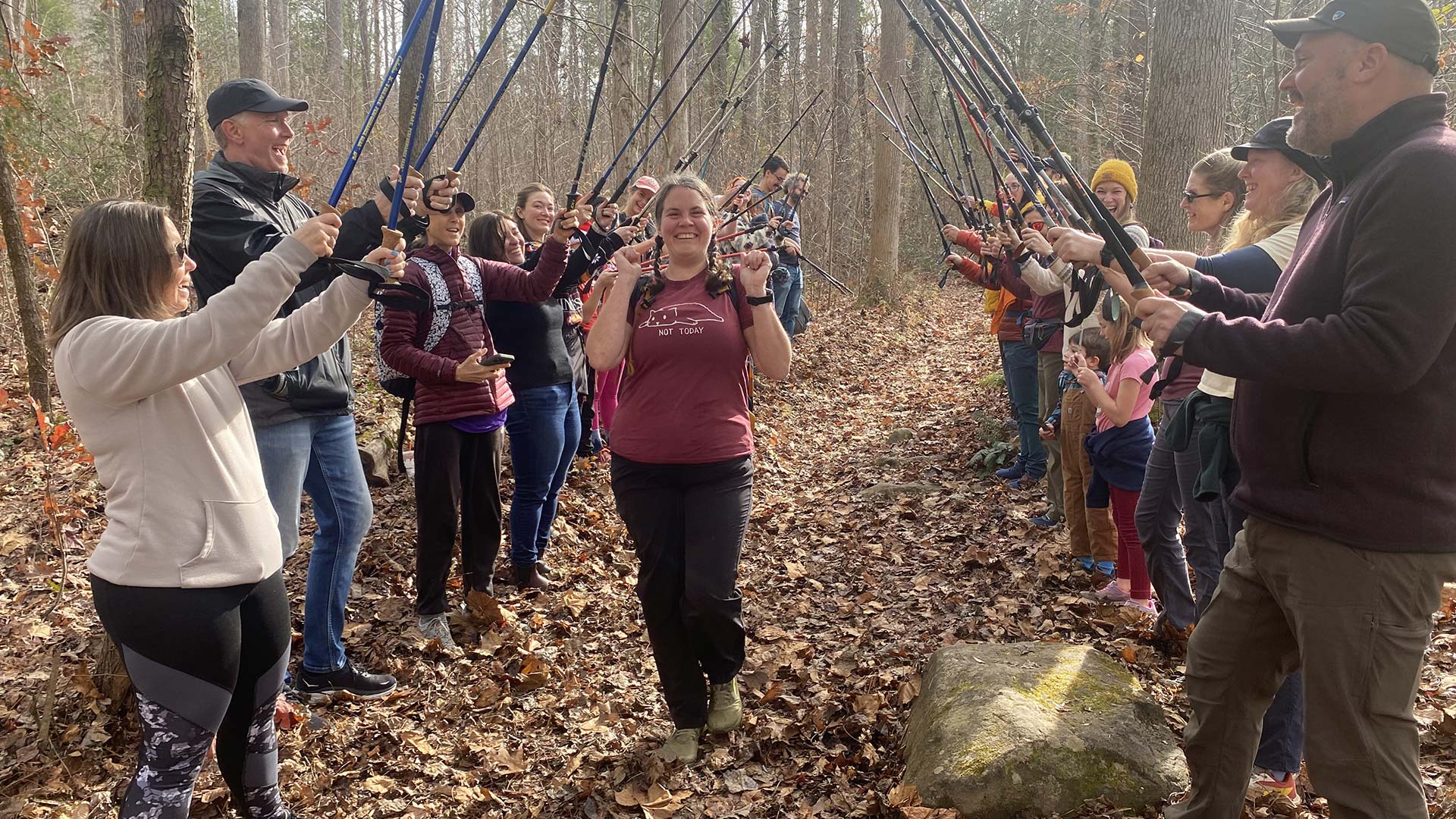
900 Miler Club
Two UT faculty and staff members earned places in the Great Smoky Mountains 900 Miler Club by hiking every trail in the national park.
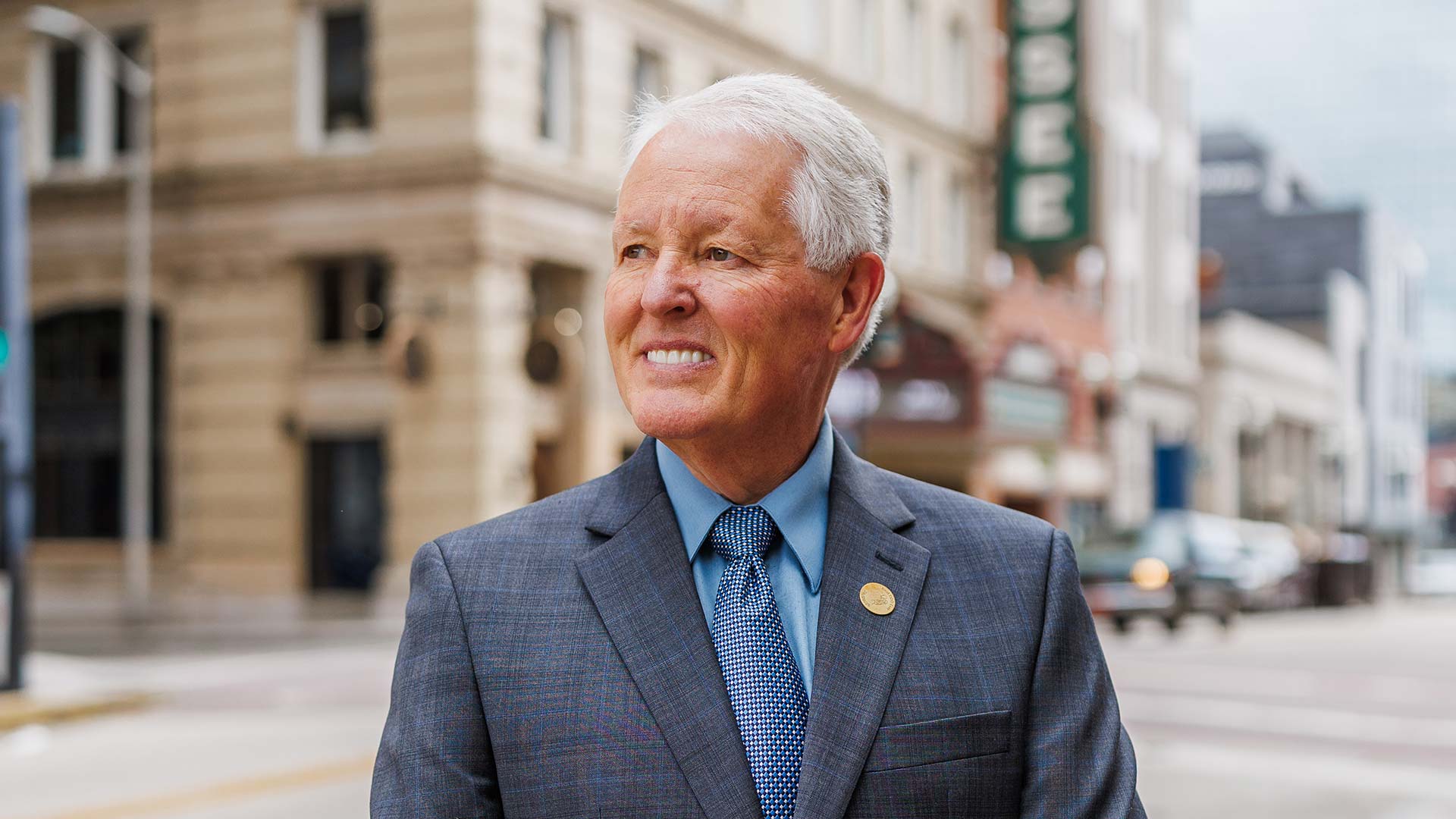
Musical Accounting
Brad Harris advises Tennessee cities through MTAS while continuing a gospel music career defined by service, encouragement and a lifelong love of singing.
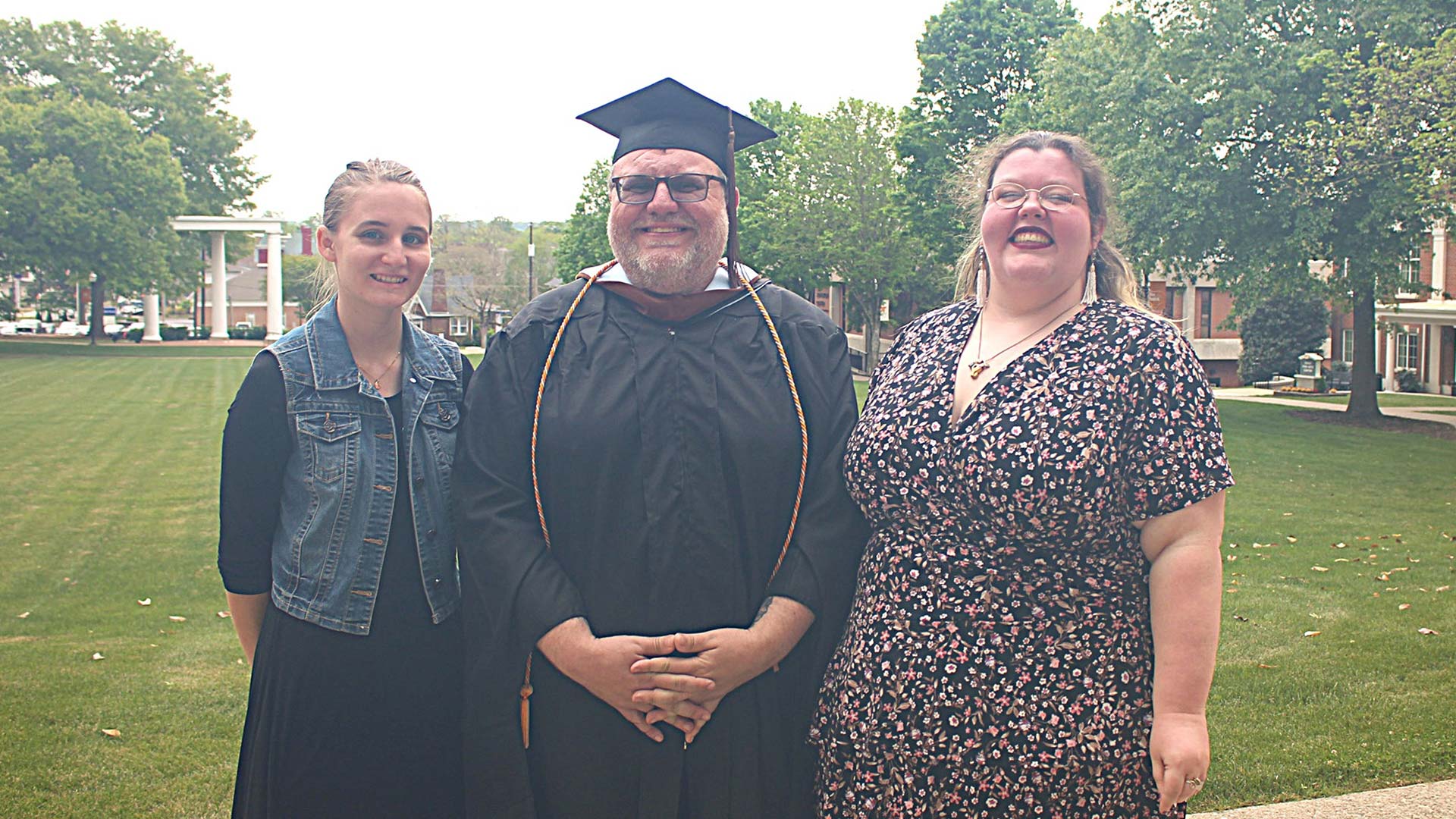
Leading Ladies
Recent graduates Fayth Dennis and Clare Jones became UT Southern’s first dramatic arts students to complete the newly configured fine arts degree.
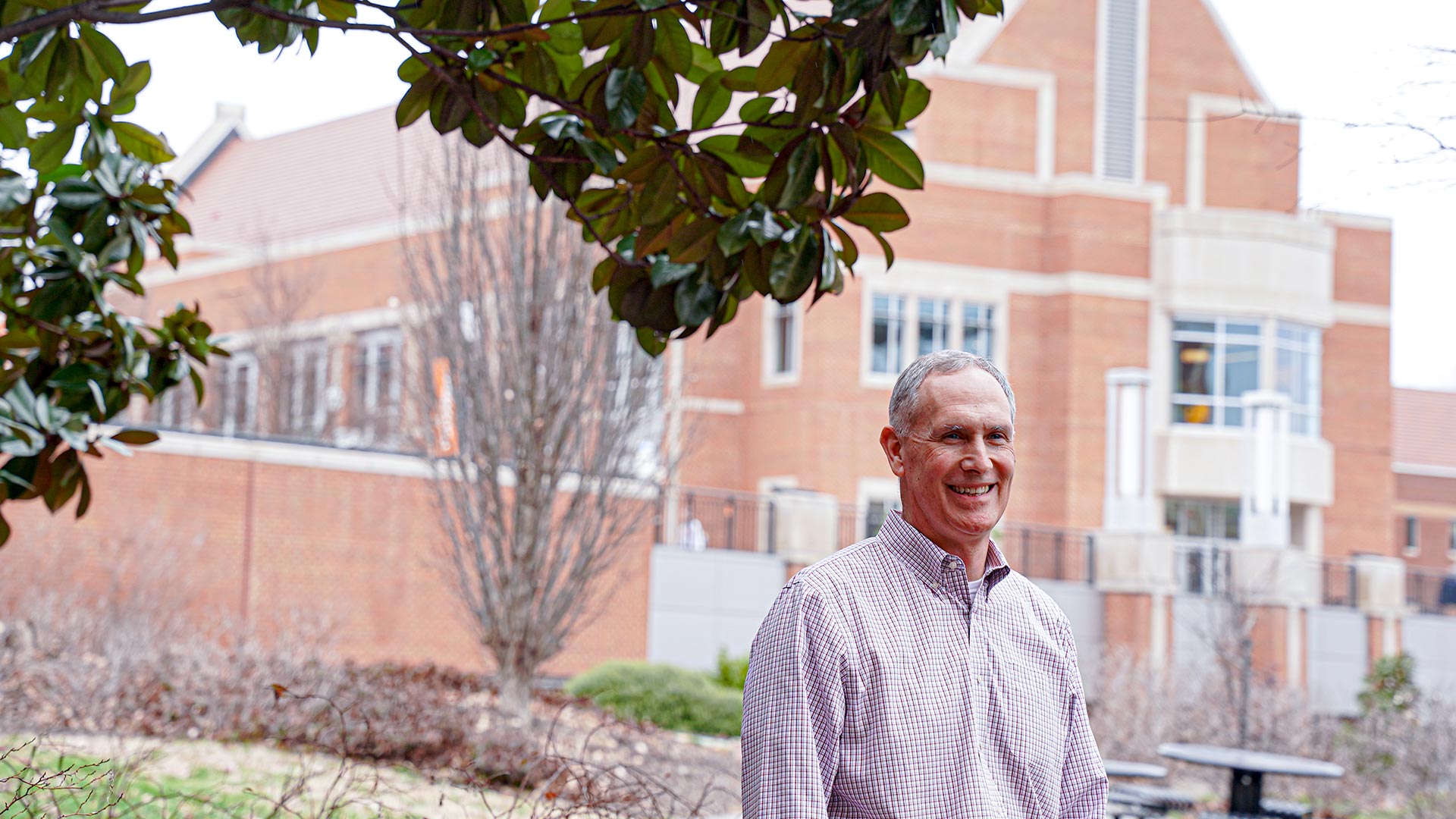
Access for a Better Life
UT Knoxville’s KLASS Center provides autism evaluations and guidance, plus PASS and FUTURE programs that build independence and college success.
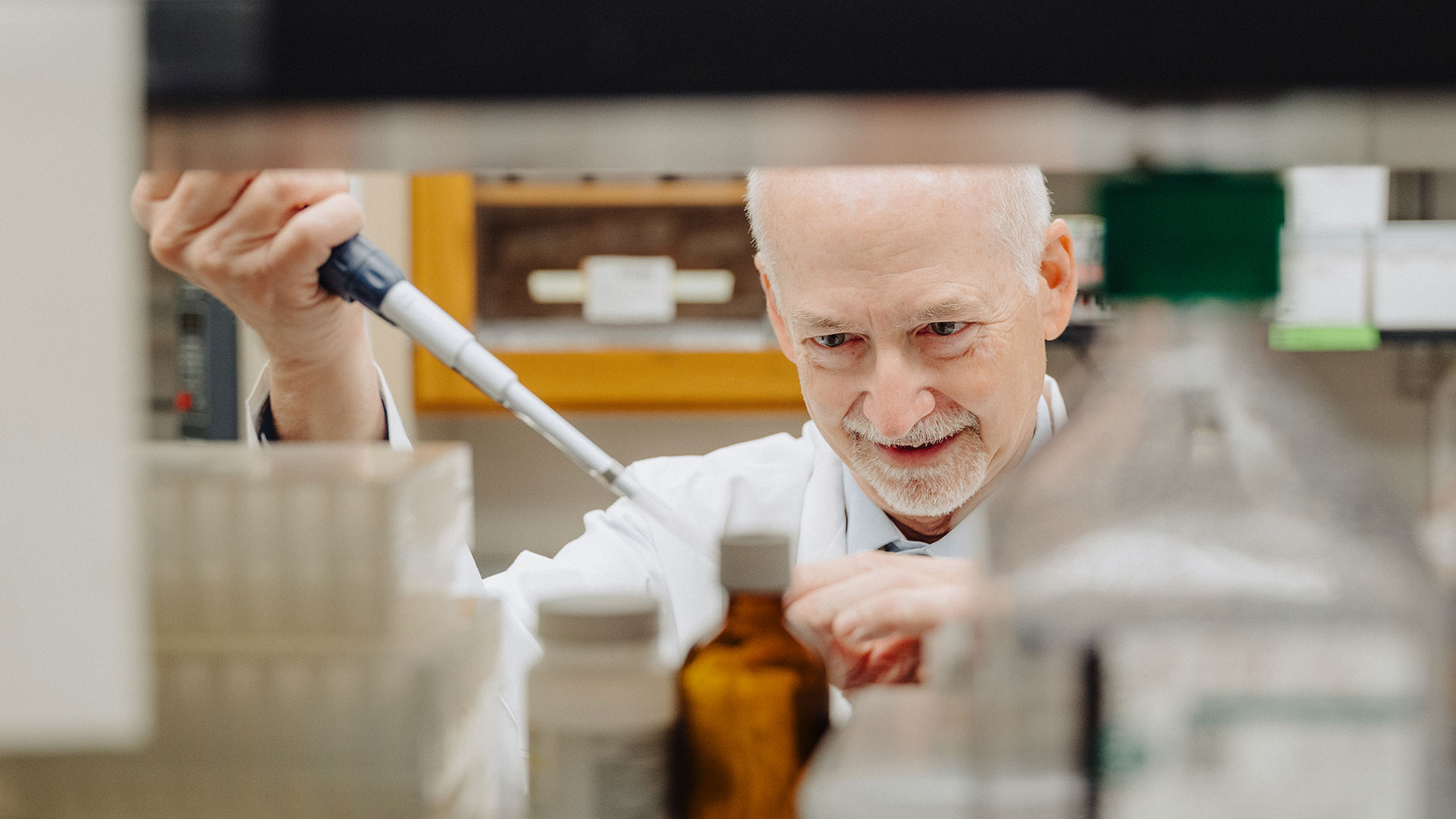
There is Hope
UTHSC’s Lawrence Pfeffer patented IV 129, a drug candidate that may improve glioblastoma treatment by enhancing sensitivity to temozolomide.
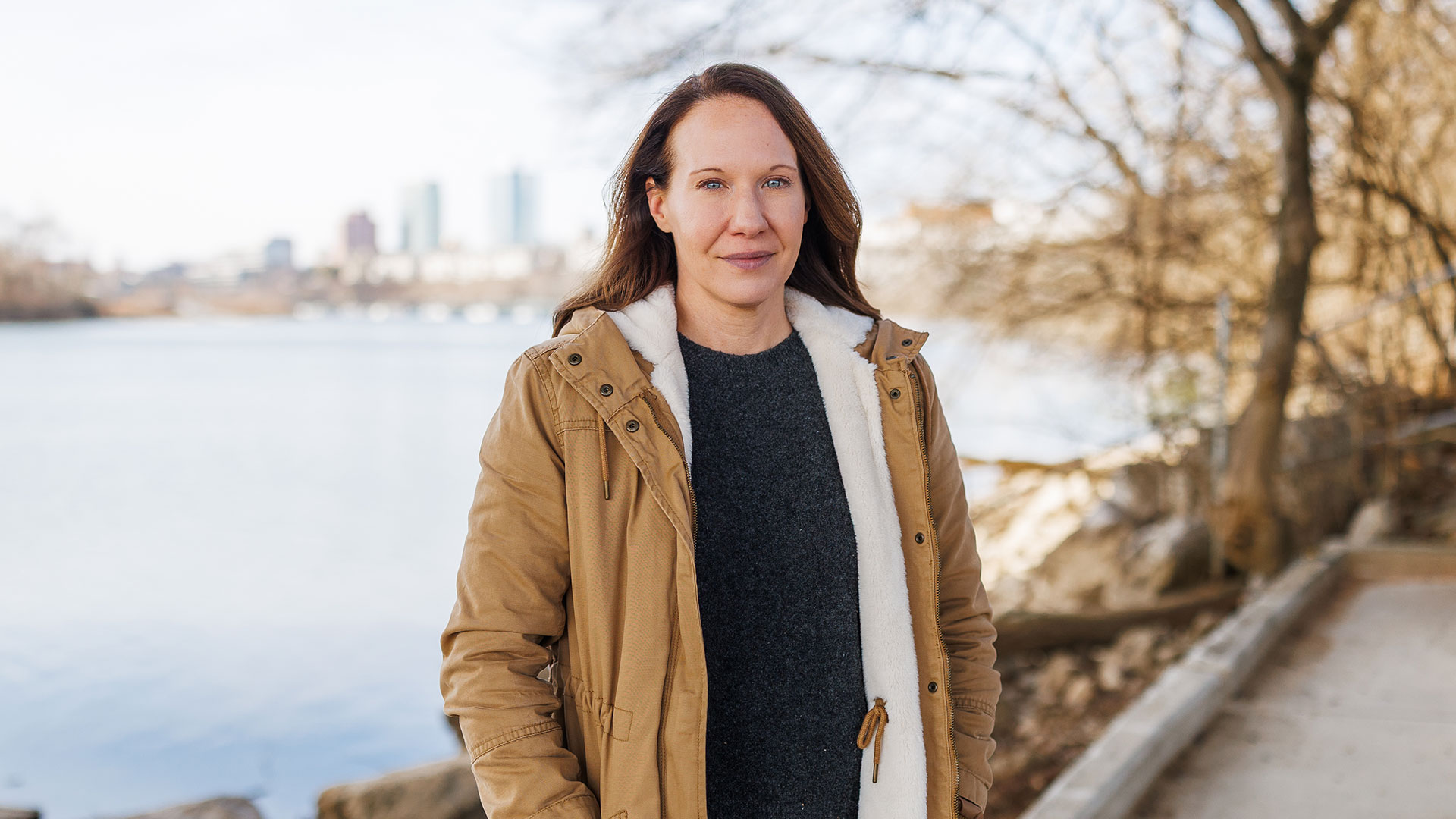
Dopesick No More
UT’s SMART Initiative leaders explain how fentanyl drives Tennessee overdoses and why addiction is a brain disease requiring long-term recovery support.
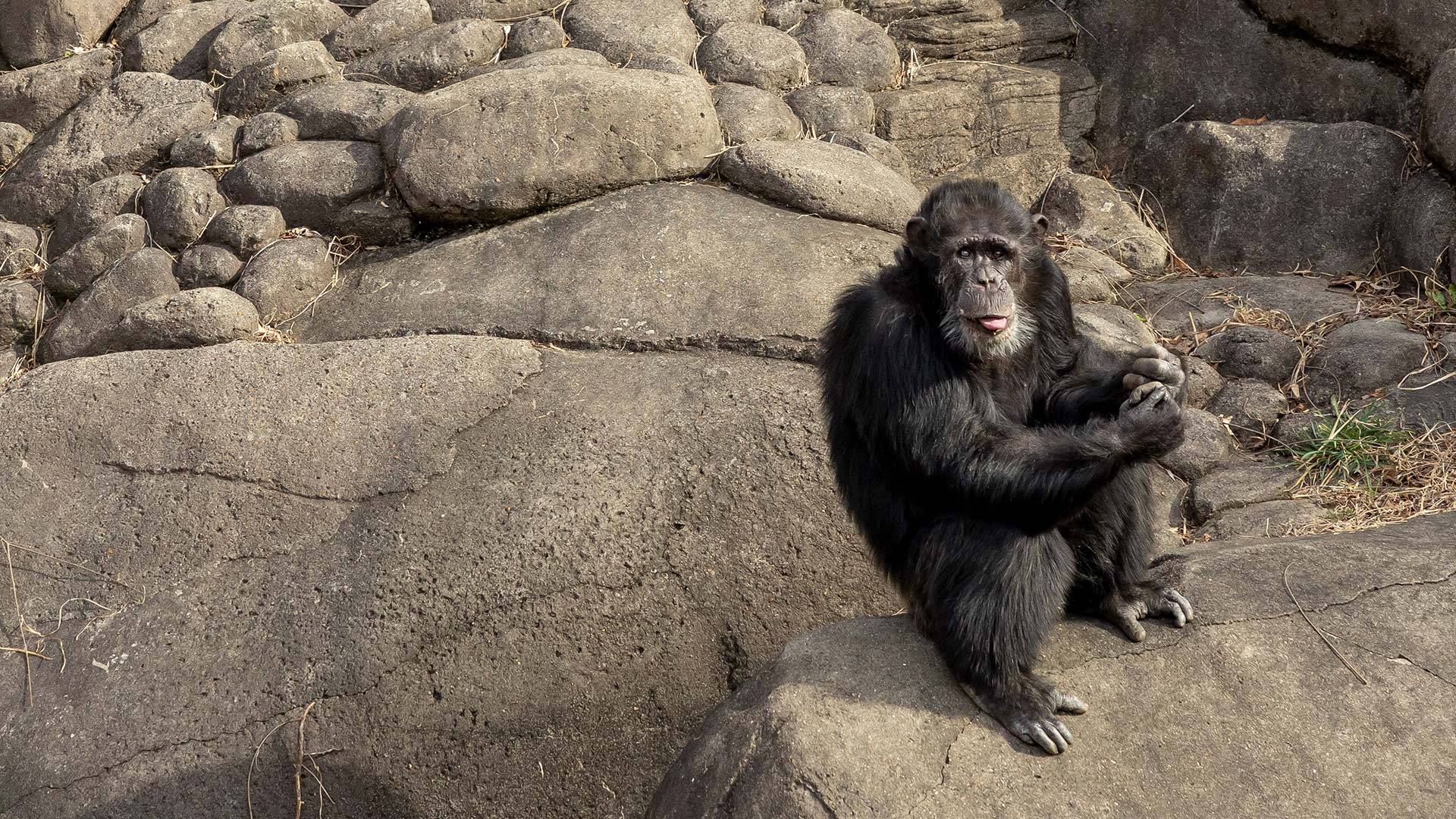
A Cure for Lu
Lu seemed subdued, quiet, not like his normally outgoing self. People around him grew concerned. He began dragging one foot and then the other, developing sores on both. Then came ... Read more
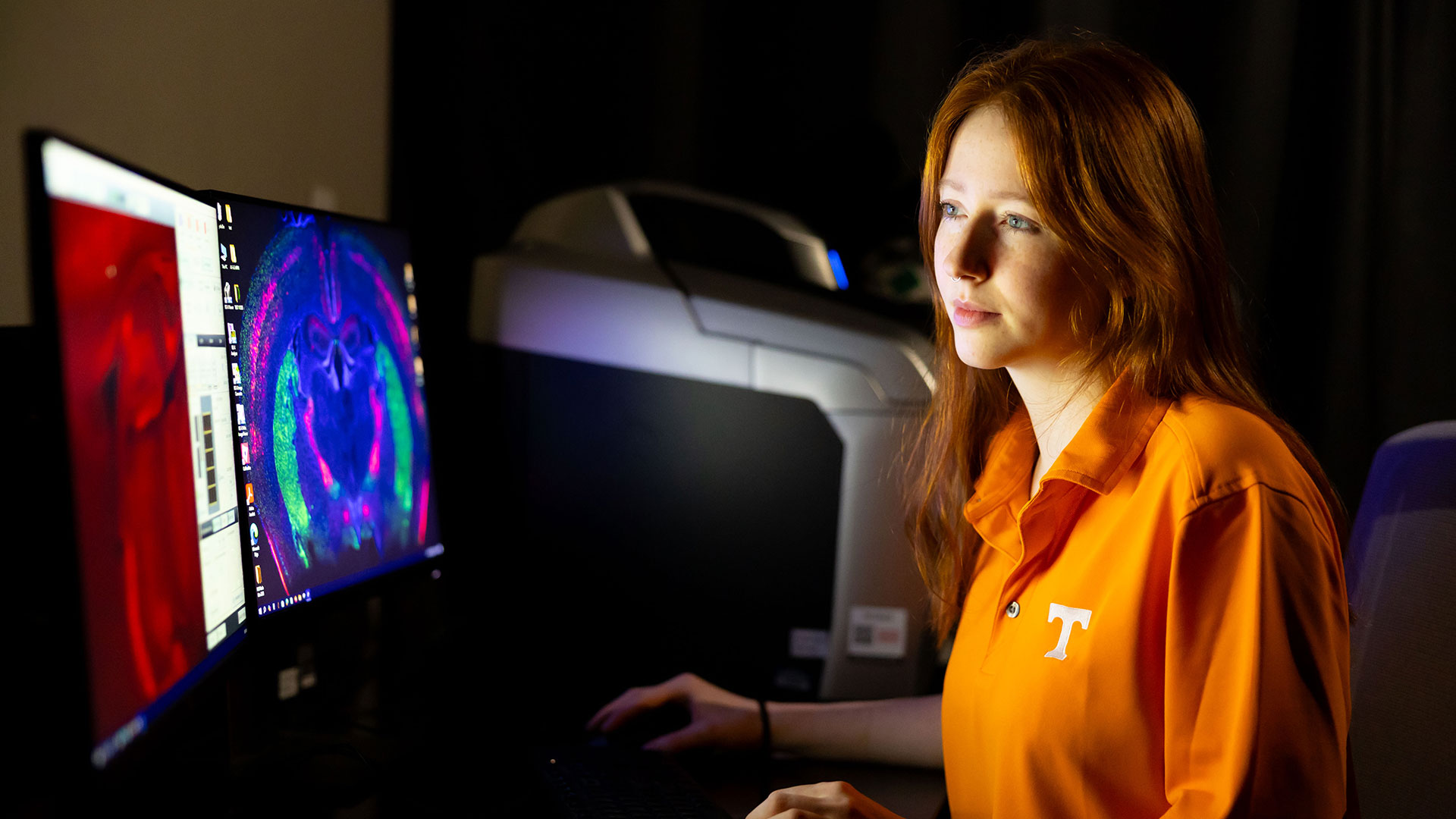
The Reshaping Brain
UT Knoxville neuroscientist Keerthi Krishnan studies how genes influence brain plasticity, linking experience-driven change to neurological disease mechanisms.
