When Kenneth Hertel and W.R. Woolrich came together in search of a missing piece to protect innovation, their creation would become greater than they could have imagined.
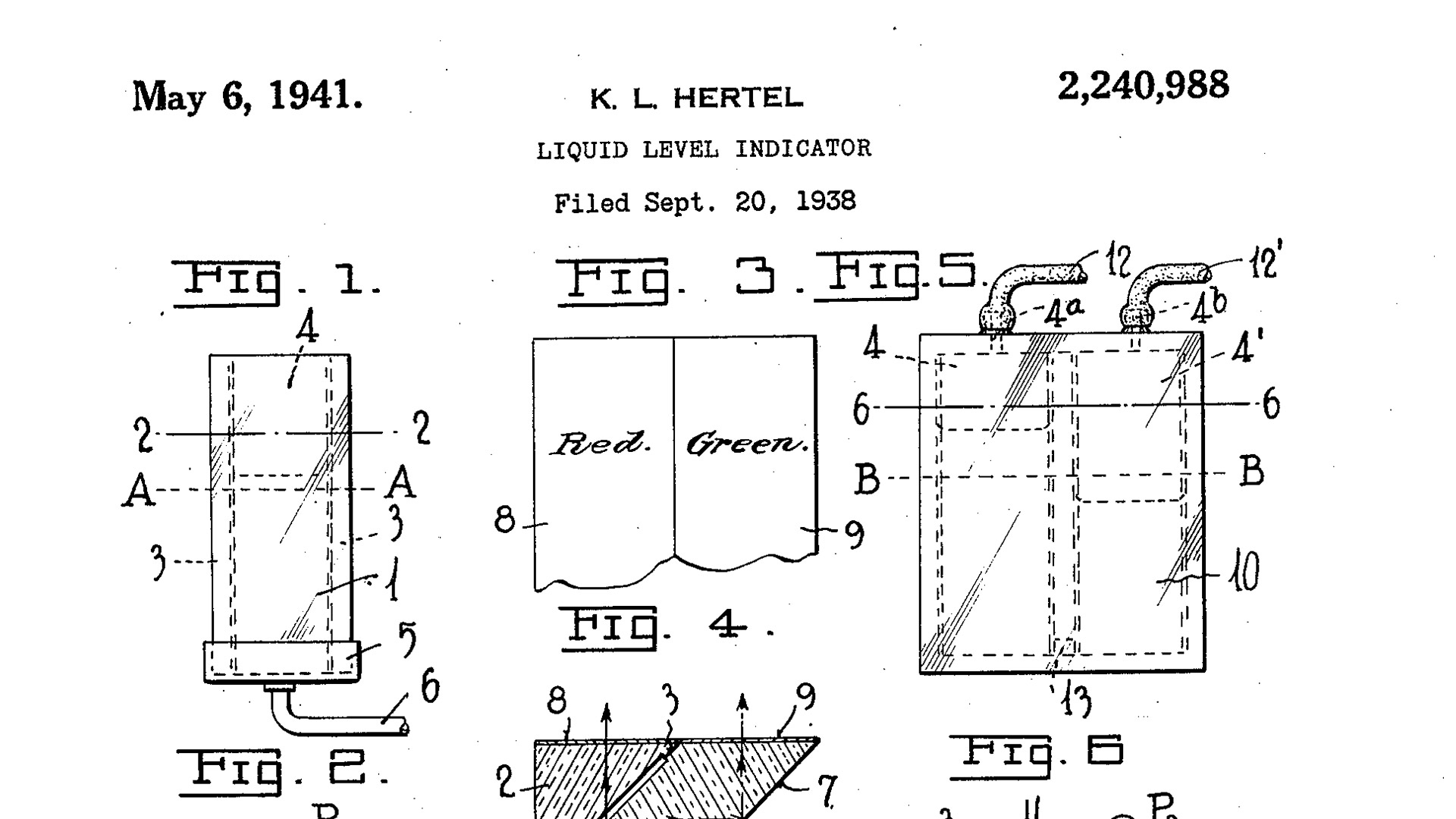
Together, the UT Knoxville professors founded the UT Research Corporation on Dec. 24, 1934. The corporation was used to promote research and research results as well as protect innovations developed at the university. Initially, the corporation focused on agricultural innovation to support efforts to manage farming and food-supply issues during the Great Depression. Hertel created fiber testing devices, which, with modifications, still are used today.
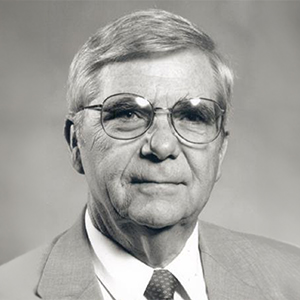
Hertel began his tenure with UT Knoxville in 1926 as an assistant professor of physics. Through the years, he served as head of the physics department and director of the UT Fiber Research Laboratory. He helped promote a relationship between Oak Ridge National Laboratory and UT Knoxville and was influential in the creation of the Oak Ridge Institute of Nuclear Studies (now Oak Ridge Associated Universities). He held 12 patents and was an author of many professional articles and specifications for the American Society for Testing and Materials.
Woolrich joined the UT Knoxville staff in 1916 as a mechanical engineering professor and researcher. He developed new techniques for cold storage and refrigeration, and he pioneered UT Knoxville’s School of Aviation in 1929. He went on to work with the Tennessee Valley Authority in 1933 and was director of the Agriculture Industry Division, where he refined his quick-freezing methods.
As the years passed, the research corporation branched out to groundbreaking innovations in biology, chemistry and pharmaceuticals while expanding internally as well. It hired its first executive director, William Goodwin, in 1979.
In 2003, the UT Research Corporation transformed into the UT Research Foundation (UTRF), redefining its mission to promote innovation, grow research and support entrepreneurship culture across the UT System while honing economic development for the state of Tennessee. The foundation could respond quickly to new opportunities and challenges within the ever-changing research environment. The board of directors is comprised of a diverse group of leaders spanning academic research administration, healthcare, legal and business.
From the Archives
The winter 2003 issue of Tennessee Alumnus showcases a research article titled “Nano-man” that discusses advancements in nanotechnology that have impacted computers and the speed at which they function.
Fred Walker, a University of Tennessee, Knoxville, research professor based at Oak Ridge National Laboratory (ORNL), provided insight into those advancements and what they mean. Walker helped produce “thin films” within a transistor at ORNL. A transistor is the basis for electronics, like computers and phones, and “thin films” are part of the transistors’ makeup. By making the film thinner, the transistor could be smaller, making the information flow at a faster speed.
Since the transistor could work more quickly, Walker built what he called a smart transistor, which could hold four times more information and even remember it once it lost power, which is an important capability in today’s technology.
Our Tennessee was published as the Tennessee Alumnus from 1917 to 2020. Scanned archives of past issues of the magazine can be accessed online through UT Knoxville’s Digital Collections Library.