The use of automated license plate readers is growing in Tennessee, but results from a research project show that data from the devices has not been well tracked, and their effectiveness reducing crimes is not known.
The Municipal Technical Advisory Service (MTAS), an agency of the UT Institute for Public Service, and UT Knoxville’s Howard Baker School of Public Policy and Public Affairs conducted the recent study.
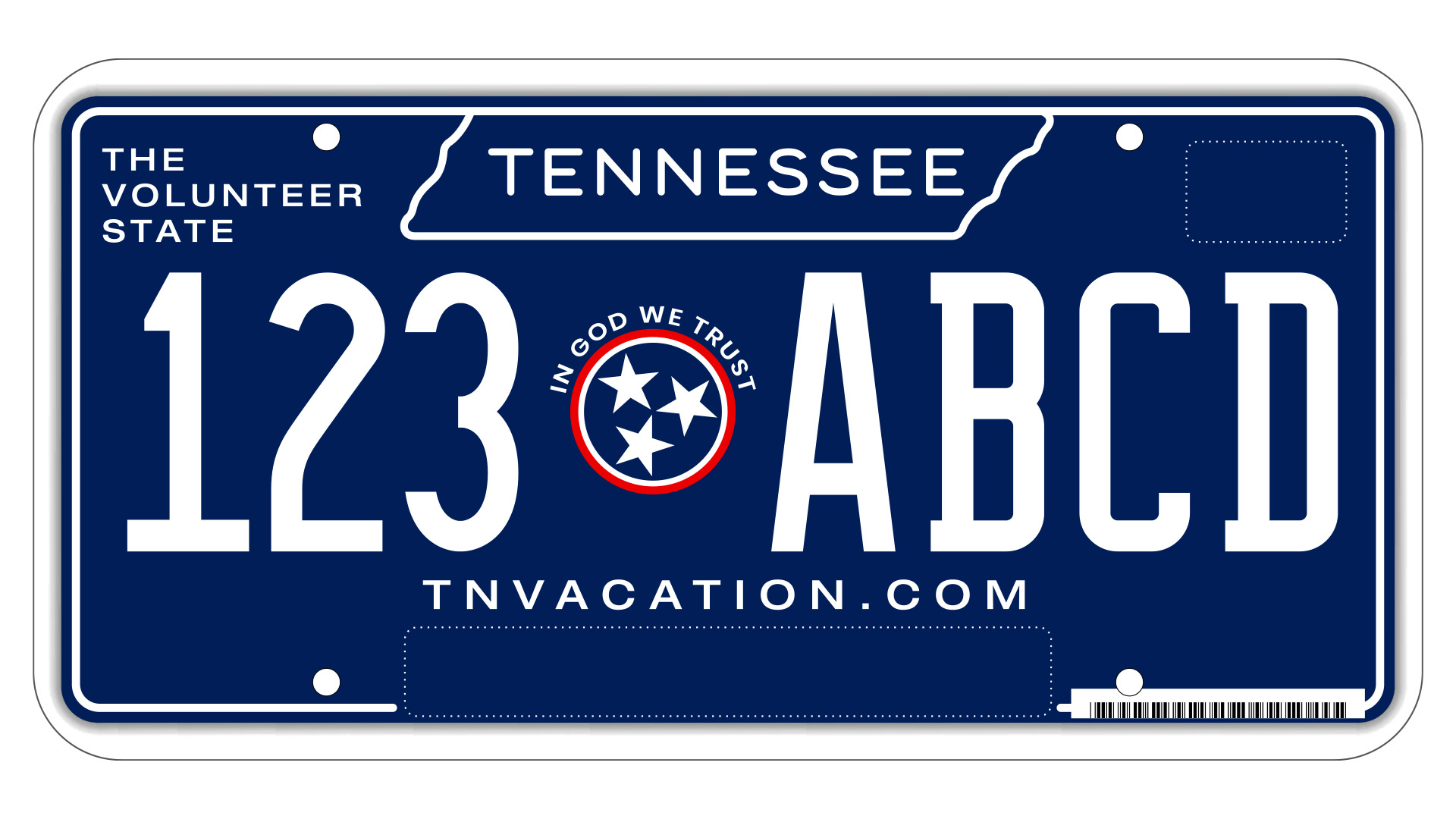
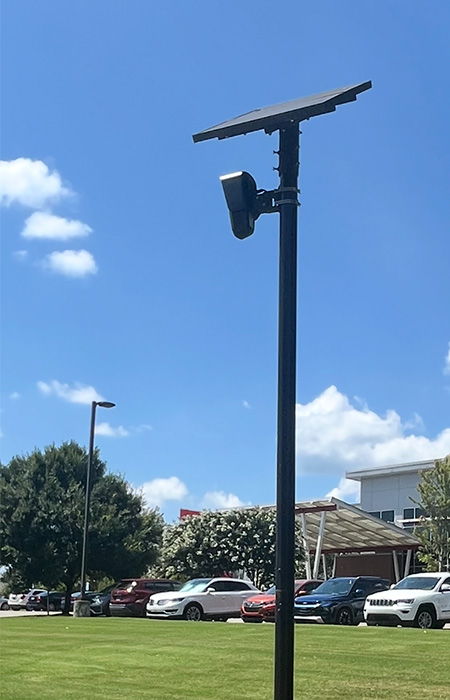
Automated licensed plate readers are high-speed, computer-controlled camera systems that capture plates faster than human operators or cameras. The readers track plates when law enforcement is working on cases involving stolen vehicles, outstanding warrants or missing persons. Not to be confused with red-light cameras, the readers can capture an image of the plate on a suspect’s car and match that plate number to a database that has the license plate numbers of stolen vehicles.
“The use of automated license plate readers started in 2013 (in Tennessee), but there are still uncertainties and unknowns about them,” says Xuhong Su, associate professor and director of graduate studies at the Baker School. “We looked to this research to provide guidance, if possible.”
The research team found that the readers have moved beyond the original purpose of detecting and recovering stolen vehicles or helping to investigate vehicle-related crimes. They also have been deployed to assist in investigations of crimes against people or property, gang-related crimes or homeland security issues.
They also found the use of license plate readers has been tracked to varying degrees. Tracking daily deployment has been limited, whereas tracking the deployment for specific crime investigations has been high. About one-third of departments collect performance measures on the numbers of cars stolen, recovered or people arrested or helped.
“The research gave us insight on the use, but more information is needed,” says MTAS Police Management Consultant David Moore, who worked as the project’s subject matter expert.
Fifty-three police departments participated in the survey, with two-thirds of respondents stating they use license plate readers. The average number of readers owned by a department was about 20, with most having fewer than 10 units. The departments that do not use the readers said the primary challenges for them are affordability, concerns regarding technical access to pre-loaded databases of car license plates and the lack of community support.
Nationwide, one of the issues surrounding license plate readers concerns privacy and violations of civil rights. Many departments lack community support to use the readers for those reasons.
“One of the questions asked addressed the concerns of handling and releasing the data collected from the readers,” Moore says. “Another thing that came out was that most departments that use license plate readers have approved policies regarding the use.”
Tennessee law states that “any captured automatic license plate data collected by a government entity may not be stored for more than 90 days unless they are part of an ongoing investigation and in that case provides for data to be destroyed after the conclusion of the investigation.” Tennessee’s law also states that data collected from the readers is confidential and not open for public inspection.
Moore and Su have discussed conducting follow-up research.
“The next thing I’m trying to do is to interview some police chiefs on how their readers are used, whether it’s traffic control, and get some local crime statistics,” Su says. “The effectiveness in reducing crime of the readers was not conclusive in our research. We want to determine how to make it effective, especially in small police departments.”