Using principles of positive psychology grounded in the PERMA Model of Well-Being, UT Knoxville wants to help students thrive in every aspect of their lives.
PERMA stands for positive emotion, engagement, relationships, meaning and accomplishments.
“We use the well-being framework in every part of our student success efforts,” says Vice Provost for Student Success Amber Williams. “Everything we’re doing is built on what our students need, and I think that’s something really unique about UT Knoxville. We’re a large campus, but we’re doing personalization for every student.”

Williams says those efforts focus on three principles: fostering students’ confidence, building their resilience and setting high expectations for them while creating an environment that empowers them to meet those expectations. Tools like the CliftonStrengths assessment help the university set students on the path to success from day one.
“When people know more about who they are, they show up better and can clearly articulate what they need to thrive,” Williams says of the assessment, which more than 48,000 UT Knoxville students have taken. “Giving students that voice gives them agency to be their best. We build them up from the talents they naturally bring and show them how to utilize those talents to meet their goals.”
Personalized Support for Students
Vol Success Teams, a comprehensive student support network of academic advisors, coaches, counselors and mentors, provide another key component to foster student success and well-being. The Division of Student Success has found that students who meet with members of their team consistently have lower levels of stress, a higher sense of belonging and more academic success.
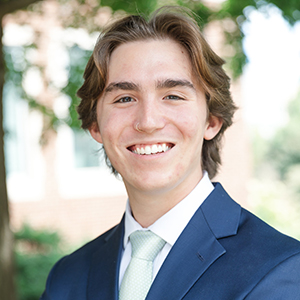
Keegan Collins, a senior from Dublin, Ohio, double majoring in accounting and finance, knows that to be true.
“My Vol Success Team has been incredibly helpful,” he says. “They have supported me in pursuing different areas of study until I found what I am passionate about, opened doors to transformational experiences such as studying abroad and helped me develop an increased understanding of my own leadership strengths. I know that, no matter what opportunity arises, I have people in my corner to help me thrive.”
The commitment to student well-being is paying off.
UT Knoxville’s retention rate has risen for the third consecutive year, with more than 92.4 percent of first-year students returning for their sophomore year in 2025-26. The university has become a nationally recognized leader in personalized approaches to student success, hosting more than 200 institutions for the Student Success U.S. conference last year to facilitate conversations about helping students succeed in college and beyond.
The Next Level of Student Success
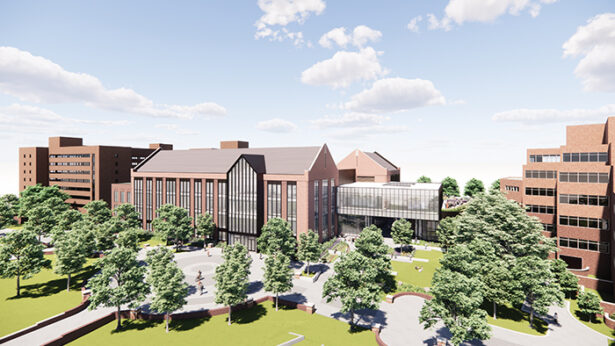
The Student Success Building, which broke ground in April and is expected to open in fall 2027, will play an important role in the university’s commitment to students’ well-being. The building will house resources such as the Vol Study Center, undergraduate research and academic, career and honors coaching. Williams envisions the new facility as an inviting, collaborative space that supports students as they work toward their ultimate goal—graduation.
“When we recruit young people to the University of Tennessee, Knoxville, we are recruiting them to be alumni, not to be freshmen,” Williams says. “Seeking help is what successful students do. We’re flipping the script on the deficit mindset that seeking help means you’re not worthy or you’re not prepared. We’re walking them toward a strengths-based approach, where they don’t have to do it alone.”



Click to Expand Images
Williams says educators need to recognize how today’s students are different from previous generations.
“Gen Z wants choice, and when Gen Alpha gets to our campus in a couple of years, they’re going to expect choice,” she says. “It is going to be on us as educators to provide choice, but then if we don’t provide choice, we need to articulate why. The PERMA framework is a good reminder that people need to know the why.”
By adopting PERMA well-being practices that guide students to find everyday meaning in the concepts they’re learning, UT Knoxville takes classroom learning beyond theory. As students think about life after graduation, the Vol Edge career readiness program encourages them to engage in action-based practices like workshops, mentorship and the Vol Intern on-campus program launching in spring 2026. This approach gives students a competitive edge in the job market while helping them make informed, confident decisions about careers and environments where they’ll thrive.
For students like Collins, the university’s well-being framework has made all the difference.
“The culture and resources at UT Knoxville have helped me earnestly pursue my goals while also making time for rest, the people around me and my own passions,” he says. “Just as much as UT Knoxville has prepared me with the technical knowledge and abilities to succeed in my professional career, it has also equipped me to live an integrated life that prioritizes the things that matter most.”
The PERMA Model of Well-Being
By emphasizing strengths and well-being, UT Knoxville prepares graduates to thrive as resilient, confident and driven citizens. The Division of Student Success grounds its efforts in the PERMA Model of Well-Being, developed by Martin Seligman of the University of Pennsylvania, which focuses on five key elements:
- Positive Emotion: Creating environments and interactions that elicit the full range of positive human responses, from joy and compassion to interest and gratitude, opens individuals to think creatively and respond to challenges in healthy ways.
- Engagement: Helping scholars develop their strengths—those things that they are innately good at and enjoy doing—while taking on a healthy level of challenge.
- Relationships: Developing authentic, energizing and supportive relationships.
- Meaning: Helping scholars find a sense of being connected to something bigger than themselves and purpose in what they do.
- Accomplishments: Recognizing all individuals’ basic need to feel they are growing and making progress in life and finding opportunities to help students celebrate their mastery of content and successes pursuant to their goals.