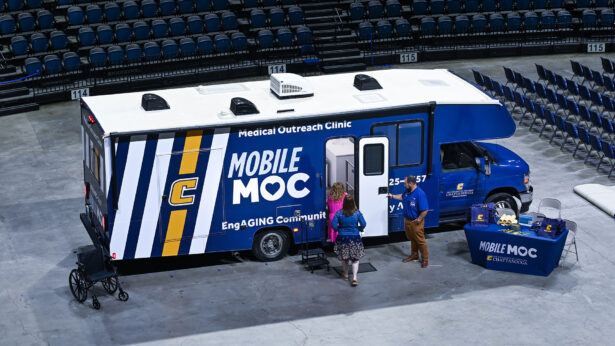
Meek, shy and unsure if she could afford care, an older woman in Anderson County stepped into a mobile clinic, run by UT Health Science Center and UT Knoxville, set up outside a senior center.
Weeks later, she danced around the center in Vols gear.
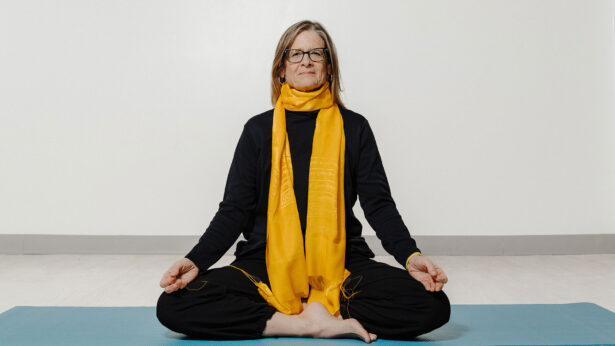
Even after helping more than 900 clients from January to September 2025, Rachel Ross (Chattanooga ’01, Knoxville ’07), professor of practice in the UT Knoxville College of Social Work, remembers her first client vividly.
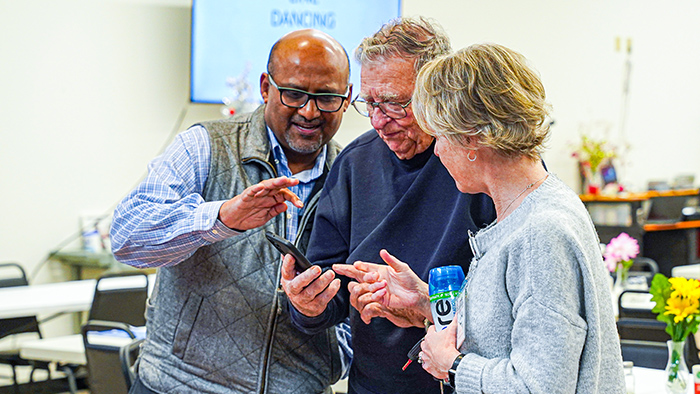
Ross and an UTHSC audiologist joined a session together to assess the shy woman. The audiologist found that the client had profound hearing loss and needed a hearing aid. The client, nervous about the cost, wasn’t certain she could afford it. Ross worked to understand the woman’s insurance benefits and connected her with additional support at the local community center, creating a safety net that made a lasting impact.

Then came their next meeting on a Big Orange Friday, and Ross saw the woman wearing orange and white attire.
“She was just singing and moving all over because the impact of her being able to hear what was going on in her world made her feel better physically,” Ross says. “She was able to get some much-needed mental health services and connections for her own personal journey. It has made the world a difference for her.”
This story shows the power of collaboration that the mobile clinic brings.
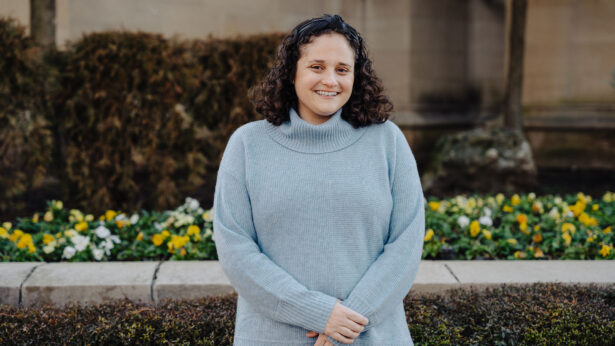
Ashley Harkrider (Knoxville ’95), UT Health Science Center College of Health Professions dean, received a UT Grand Challenges grant to take hearing and speech services to rural communities in East Tennessee.
“In Tennessee, the need is particularly acute, ranking among the most underserved regions in the country,” Harkrider says.
As of 2024, Tennessee has the highest rate of rural hospital closures per capita in the nation, according to the Tennessee Healthcare Campaign.
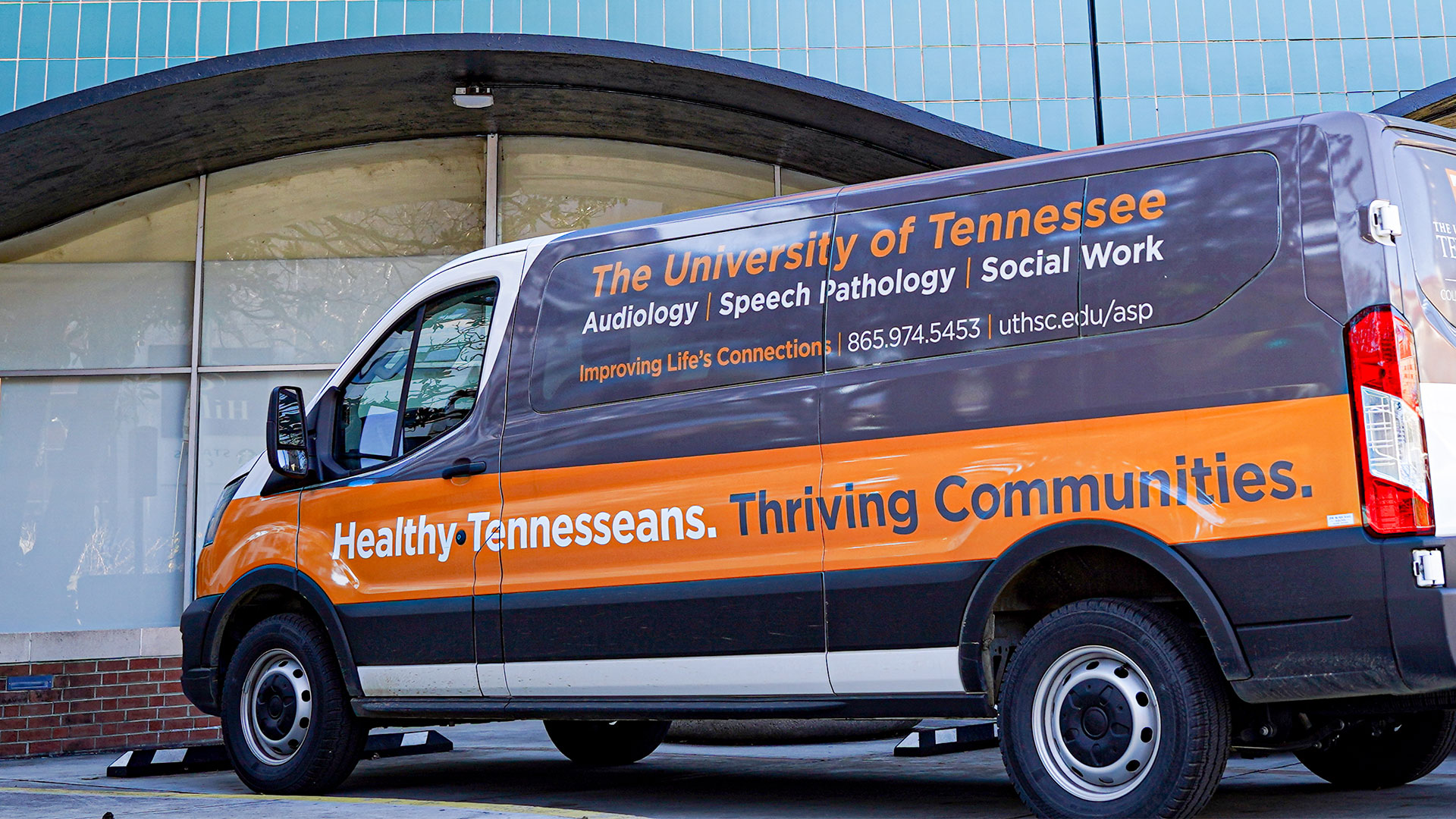
Many individuals in rural areas struggle to access or continue necessary services. In response, Harkrider and Ross launched this mobile clinic—unique to the state—where audiology and speech pathology experts partner with social workers to reach communities that might otherwise go without care.
“In rural communities, understanding resources related to health insurance, the scope of practice of health professionals, applying for resources, and more can be a challenge for many individuals,” Ross says.
If a parent is working multiple jobs to try to put food on the table, the additional load of figuring out other needs can fall short. Ross says adding social workers to this model provides education around psychological needs to individuals as well as case management to ensure that individuals’ needs are being met.
UT Knoxville and UT Health Science Center students also learn from this approach. “Students across the country aren’t participating in clinical practicums in rural communities because there aren’t professionals there to supervise them,” Harkrider says. “Our students have a really unique opportunity to better understand the barriers, the unique needs, the diversity of perspectives and support needed for individuals in underserved areas.”

The mobile clinic also trains the next generation of health care professionals to think creatively and address inequities.
A UT System Grand Challenge grant made this collaboration possible.
The Grand Challenge grants program invests $5 million over three years, funding various projects that improve the quality of life for Tennesseans, focusing on three critical areas: advancing K-12 education, strengthening rural communities and overcoming addiction.
Ross and Harkrider credit the grant for enabling their work.
“I think the UT Grand Challenges grant filled a really important void in the ability to support people who had the desire, the knowledge and the expertise to try to chip away at some of these major problems or challenges that Tennessee faces but just didn’t have the resources for them to do it,” Ross says.

Harkrider views the mobile clinic as the start of something much bigger. Harkrider’s long-term goal is to have multiple vans and a full staff to serve rural communities more widely.
“One of my favorite things about the van is the back of it where it says, ‘Everywhere You Look, UT’ because that’s the spirit of our university, that’s the spirit of these Grand Challenge grants,” Harkrider says. “As health care providers, we have a goal to take our knowledge, our expertise and our skills everywhere we can to represent the UT brand and help the residents in the state of Tennessee, and to teach our students to do the same.”