As a pediatrician, I’ve been at the bedside of countless families whose lives changed in a moment when they learned their child had cancer.
As a daughter and patient, myself, I’ve scrambled to learn as much as I could about new diagnoses, treatments and testing for adult cancers, all while wondering if this was the moment my own life was going to drastically change.
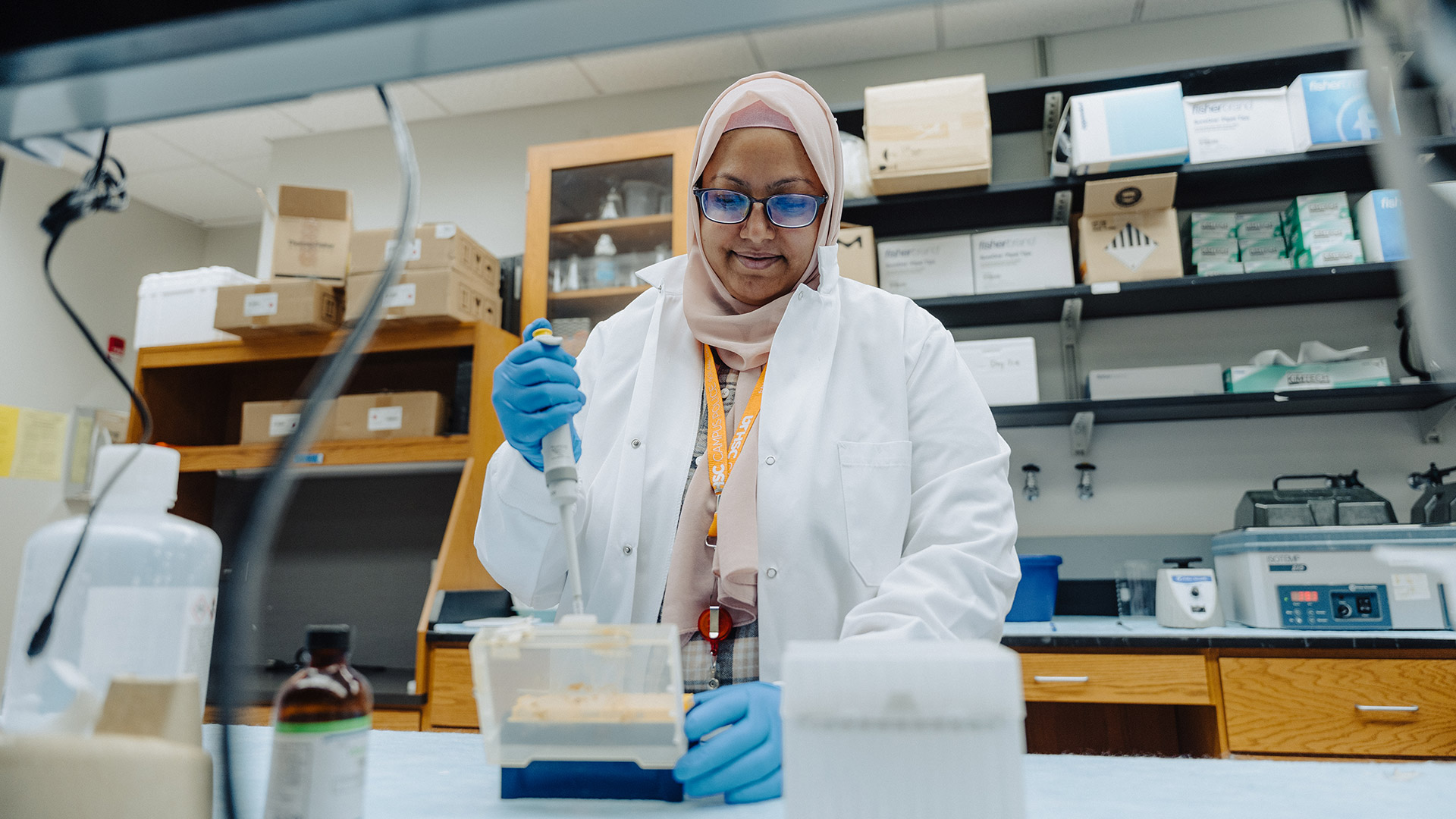
In Tennessee, we have the sixth highest cancer death rate in the country. Cancer is a sobering reality for too many in our state. But research has the power to unravel its mysteries and help patients everywhere not only survive but thrive. At UT Health Science Center, researchers conduct innovative studies to identify barriers that keep people from accessing cancer screening and care as well as find new ways to diagnose and treat cancer.
Decades ago, a cancer diagnosis was often seen as a death sentence. Today, thanks to research in laboratories, clinics and communities all over the world, we’ve made advances in early detection methods, innovative treatments and personalized medicine.
Survival rates for many types of cancer have improved significantly, but we still have a long way to go. Breast cancer survival rates have increased from around 75 percent in the 1970s to more than 90 percent now, thanks to new therapies and early screening. Similarly, survival in patients with advanced melanoma improved from less than 10 percent before 2010 to 35 percent now that new medications are available.
In Shelby County, our death rates from prostate and breast cancer are among the highest in the state, despite advancements in screening and early treatment. Research is needed to identify new therapies for people with these cancers and to find ways for everyone to have early access to the care they need.
At UTHSC, our researchers are developing new compounds that show great promise in overcoming chemotherapy resistance and reducing toxicity for patients battling triple-negative breast cancer as well as an innovative drug that has shown remarkable results in a phase 1 clinical trial for patients with advanced castration-resistant prostate cancer.
Cancer research means more than advancing science; it means lives saved, suffering reduced and fewer families devastated by this disease. Every dollar spent, every trial conducted and every discovery made brings us closer to a world where cancer is no longer a threat to humanity.
Nearly 40 percent of Americans will be diagnosed with cancer in their lifetimes. This is literally the fight of our lives. Cancer may be relentless, but so is our determination to conquer it. Together, we can make it happen.
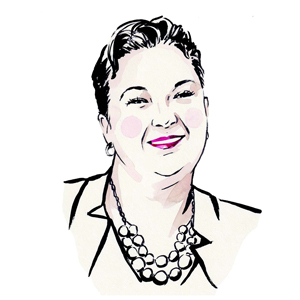
DR. JESSICA SNOWDEN IS THE VICE CHANCELLOR FOR RESEARCH AT UT HEALTH SCIENCE CENTER. SHE DESCRIBES HERSELF AS AN “ACCIDENTAL SCIENTIST” AND IS PASSIONATE ABOUT INTEGRATING CLINICAL CARE, RESEARCH, EDUCATION AND ADVOCACY.