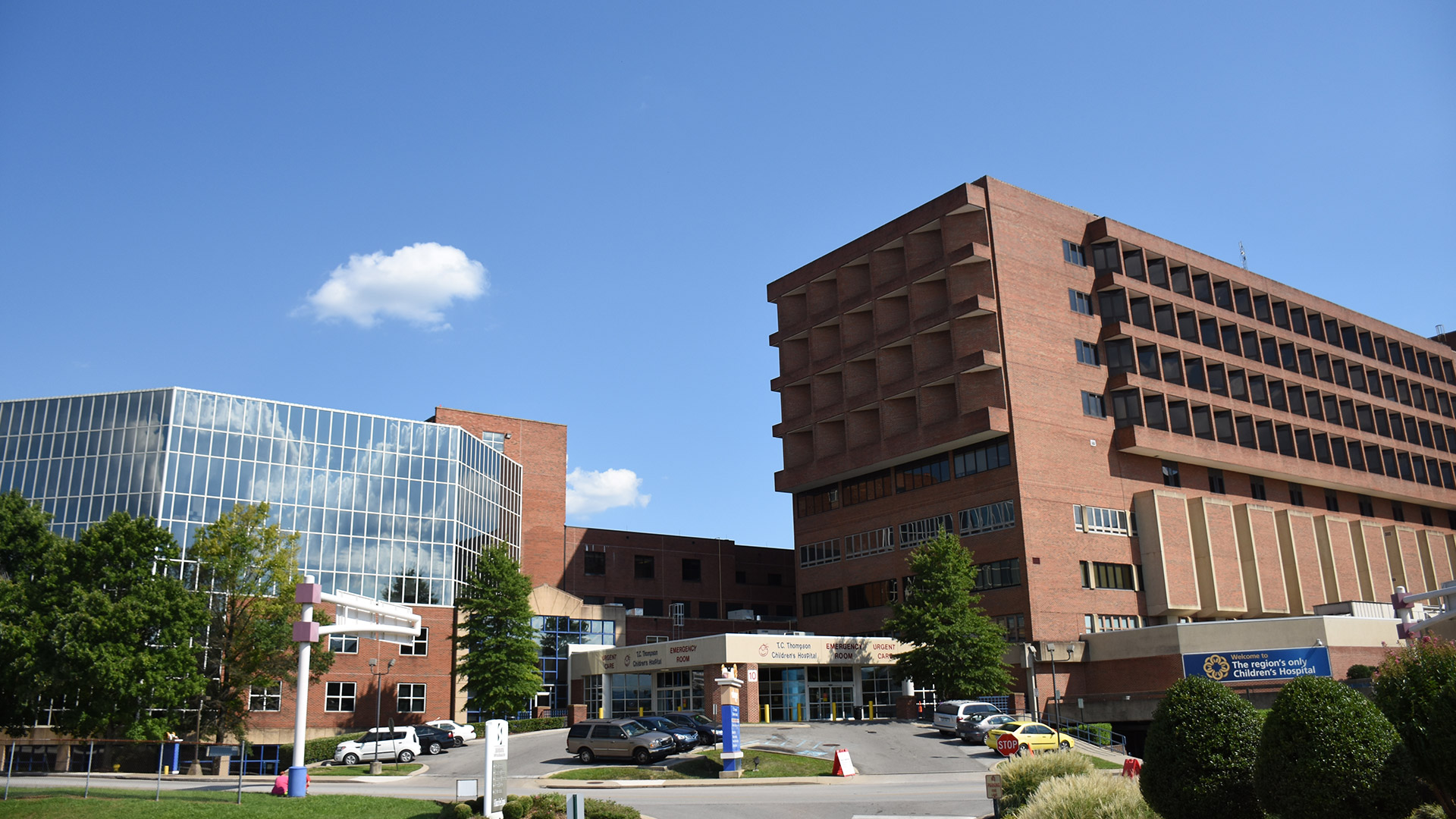
Genna Linton, trainer and project manager at the Tennessee Language Center, provided a two-day Foundations of Medical Interpretation training to bilingual staff at Erlanger Hospital in Chattanooga. This short workshop enables the hospital’s bilingual (English/Spanish) staff to also serve as interpreters in the hospital. This training benefits Erlanger patients and raises the quality of care that limited English-proficiency patients receive.
CTAS Celebrates New Certified Public Administrators
Sixty-two county officials and employees from across Tennessee achieved the designation of certified public administrator from the County Technical Assistance Service (CTAS). The graduates represent a wide range of county offices and departments.
To earn this designation, participants completed 115 credit hours in the County Officials Certificate Training, administered by CTAS. This statewide program is open to all county officials and employees and is designed to strengthen the skills and knowledge needed to serve their communities more effectively.
“This is a unique program that offers a broad continuum of training to county officials and employees to provide them with the knowledge to serve their citizens better,” says CTAS Executive Director Jon Walden.
SMART Partners with State Opioid Abatement Council
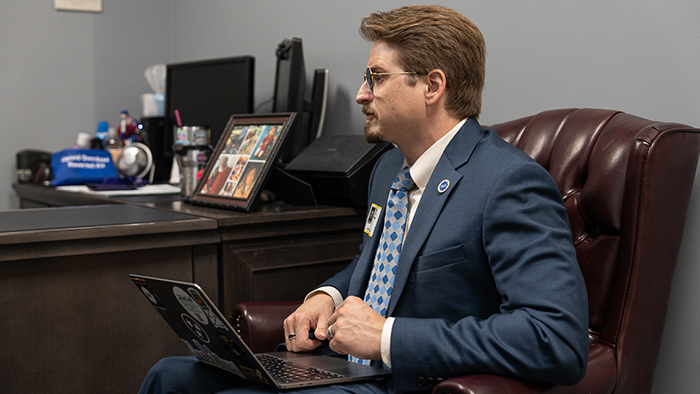
The Institute for Public Service continues to make an impact across the state through its Substance Misuse and Addiction Resource for Tennessee (SMART) Initiative. In a major milestone, SMART has been named the official partner of the Tennessee Opioid Abatement Council—the body responsible for allocating and overseeing the majority of opioid settlement funds flowing into Tennessee.
Created by state law in 2021, the council is tasked with ensuring that these funds are used effectively to support recovery, prevention, harm reduction and treatment efforts. But translating dollars into meaningful, measurable change takes time and expertise—which is where the SMART Initiative has stepped up to help.
Since April 2025, SMART has grown its team by 50 percent, adding specialists in data analysis, program implementation, research and evaluation. These new team members are already supporting counties in designing evidence-based strategies, launching innovative local programs, and tracking the long-term impact of the many new program strategies being rolled out across the state.
With this partnership, UT is showing that it continues to be a leader in effective, evidence-based solutions to the opioid crisis and is laying the groundwork for a healthier, happier Tennessee.