


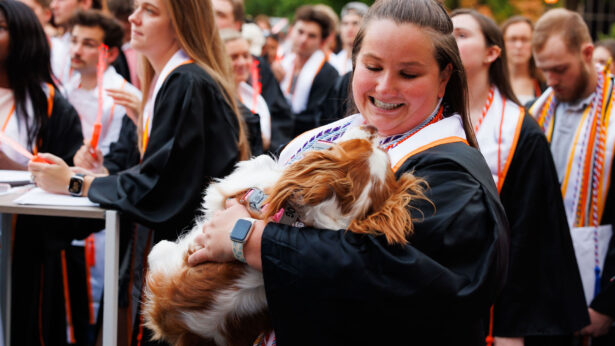
Anyone who’s ever locked eyes with their dog after a long day or felt their cat curl up just when they needed comfort knows this truth: Animals get us. They see past the noise, the stress, the masks we wear. They don’t care about our titles, how many “likes” we get or whether we’re holding it all together. They show up with presence, loyalty and love that’s as pure as it gets.
The human–animal connection isn’t just sentimental. It’s biological, emotional and deeply healing. Science tells us our blood pressure drops when we pet a dog. Our stress hormones dip when we hear a cat purr. But anyone who’s loved an animal doesn’t need a study to believe it. We know that bond by heart. It’s the comfort in grief, the closeness in loneliness, and sometimes it’s the reason we keep moving when life feels impossibly heavy.
And yet, loving animals so deeply means we also perform extraordinary measures of care when they are sick or old and feel crippling pain as we grieve their loss. That’s where veterinary social work comes in. It bridges human hearts and animal health care, creating a field that recognizes, to truly care for animals, we must care for the humans who care for them.
A specialty practice founded at the University of Tennessee, Knoxville, in 2002 as a collaboration between the College of Social Work and the College of Veterinary Medicine, veterinary social workers stand beside veterinarians, clients and communities at some of the most meaningful, and difficult, moments. They help families make sense of tough news, comfort people through loss and connect struggling pet owners to resources that keep families together. They support veterinary teams that carry the emotional weight of compassion every single day. They’re part counselor, part educator, part steady heartbeat—reminding everyone that empathy isn’t weakness; it’s strength.
Veterinary social workers see what many of us intuitively know: When people and animals thrive together, entire communities become healthier, kinder and more resilient. In a world that often feels disconnected, the human–animal bond pulls us back to what’s real. It teaches us about presence, about forgiveness and about the quiet courage of unconditional, unwavering love. Veterinary social work makes sure that bond is protected, celebrated and sustained.
When a dog wags her tail as if to say, “You’re doing great,” or a horse lowers its head into your hands in complete trust, know there’s real power in that. It’s the kind of power that heals, unites and reminds us that we’re all part of something larger than ourselves—we are One Health.
That’s the heartbeat of veterinary social work: nurturing the connection that makes us more human through the animals who make us whole.

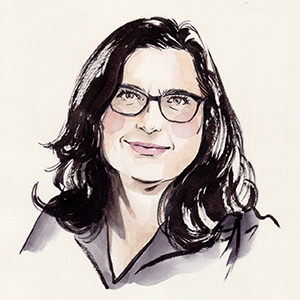
PAM LINDEN IS INTERIM DIRECTOR OF THE UT CENTER FOR VETERINARY SOCIAL WORK AND RESEARCH ASSOCIATE PROFESSOR IN THE UT COLLEGE OF SOCIAL WORK. SHE WAS THE FOUNDING PRESIDENT OF THE INTERNATIONAL ASSOCIATION OF VETERINARY SOCIAL WORK AND IS CO-EDITOR OF THE COMPREHENSIVE GUIDE TO INTERDISCIPLINARY VETERINARY SOCIAL WORK. LINDEN LIVES IN KNOXVILLE WITH HER RESCUE DOG, LILY NORMA, AND HER CAT, CHIP, A TURKISH VAN MIX ADOPTED FROM THE OAK RIDGE ANIMAL SHELTER. READERS MAY FOLLOW CHIP ON INSTAGRAM AT #SCRUFFYCITYCHIP.