



“Why would anyone keep doing drugs when they know fentanyl is out there, killing so many people?”
Jennifer Tourville often hears that question when working with communities across Tennessee.
More than 75 percent of the 3,616 overdose deaths in Tennessee in 2023 involved fentanyl. This powerful synthetic opioid is almost always mixed with other drugs like methamphetamine, cocaine and others. Fentanyl, which is 100 times more powerful than morphine, wears off more quickly and painfully; people who have an active addiction report consuming the drug every four hours to not become “dopesick.”
“It can be hard to understand why people would continue to make irrational, life-threatening decisions,” says Tourville, executive director of the UT Substance Misuse and Addiction Resource for Tennessee (SMART) Initiative. “But addiction is a disease that changes the parts of the brain responsible for making those decisions.”

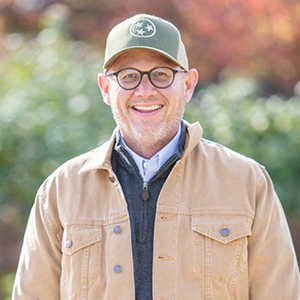
It’s something Dr. Stephen Loyd, Cedar Recovery’s chief medical officer and SMART Advisory Council member, understands.
“Addiction itself, for me, is continued use despite consequences,” he says.
In recovery himself for more than 20 years, he was first introduced to the idea of addiction as a disease through Twelve Steps programs like Alcoholics Anonymous, which was co-founded by a physician and has shaped U.S. recovery culture for almost a century.
Hundreds of studies have identified structural changes to the brain due to chronic substance use. Scans show significant alterations in areas responsible for decision-making, memory-processing, fight-or-flight responses, empathy, long-term planning and reward pathways.
Like with any disease, the addiction risk comes through genetics and environment. In some ways, whether a person develops substance use disorder is a bit like a slot machine, Loyd says. If a user pulls the crank, and genetic risk lines up with psychological trauma and a community where drugs are more available than mental health care, then the person will likely develop the disorder. Childhood trauma is particularly potent—studies have found that a history of any systematic adverse childhood experience was associated with a four-fold increased risk of developing the disorder in adulthood.
Intoxicating drugs flood the brain with dopamine at levels far higher than normal. Over time, the brain reduces its own dopamine production, making people dependent. Everyday pleasures like food and exercise lose their impact, and stopping use can cause severe withdrawal symptoms.
“Many people with substance use disorder don’t continue to do drugs because they enjoy them or just to get high,” Tourville says. “Many continue using because they get extremely sick with withdrawal symptoms when they try to stop for even a brief period.”
Like Loyd, Kirsten Smith—who is a licensed clinical social worker and noted researcher who lives in Missouri—has experience with addiction.
“For me, addiction also is just continuing to use when you don’t want to,” she says.
Though in recovery from opioid use disorder, Smith prefers the term “recovered” because of existing stigma for people who have struggled with addiction. Some people think of addiction as a moral failure or a choice. Smith, however, points to a stigma that originates within the brain disease model itself.
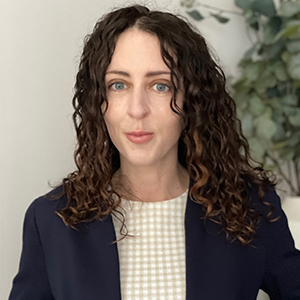
“I have encountered some people who never had an addiction but who thought, ‘Well, if you really have this disease, why should I give you a job? Why should you get your children back? Why should we trust you? You might be in recovery, but are you ever really fully recovered?’” she says.
Twelve Steps communities often say that a cucumber can turn into a pickle, but a pickle can’t turn back into a cucumber.
“It’s a cute analogy, right?” Smith says. “But people are not cucumbers. People are way more complex than that. We know brains can change. They change from drug use, so when we stop using drugs, they will continue to change until the moment we take our last breath.”
Studies show it takes at least 14 months of abstinence before dopamine activity returns to normal levels. It takes over a year before exercise, a nice meal, a favorite movie or spending time with friends and family bring the same level of pleasure, joy and fulfillment that many people take for granted. Until then, substance cravings gnaw at the mind.
The brain does heal, and life in recovery is deeply rewarding, Loyd says. But maintaining sobriety can be difficult for people without housing, stable and safe relationships or a job.
“Our system is really great at responding to emergencies,” says Tourville. “Overdose prevention with expanded naloxone access, lethal drug detection with fentanyl test strips and spectrometers, and better resources for first responders to reverse overdoses have done a lot to save lives in the moment.”
Indeed: Overdose deaths in Tennessee fell by 34 percent in 2024, faster than the national average reduction of 26 percent. But fatal overdoses remain higher than 2017 when the opioid crisis was declared a national emergency and still four times higher than the 1990s when the crisis began.
“Where the system could improve is with connecting people to long-term care and resources to support their recovery during those first few years while the brain is healing,” says Tourville.
Deaths Decline
Overdose deaths in Tennessee are declining, according to the Tennessee Department of Health.
- 2017: 1,776
- 2018: 1,818
- 2019: 2,089
- 2020: 3,032
- 2021: 3,814
- 2022: 3,826
- 2023: 3,616
- 2024: 2,487 (Provisional estimates from Centers for Disease Control and Prevention)


Listen to an interview with Kirsten Smith and Dr. Stephen Loyd on the SMART Policy podcast. Search for the episode “What the Brain Disease Model of Addiction Gets Right— and What It Misses” on Spotify, Apple or Soundcloud.